Bird poo hits drivers for £57m
Bird poo costs drivers £57 million in damage and repairs, according to new research.
Bird poo costs drivers £57 million in damage and repairs, according to new research.
Data from Zurich Insurance – ahead of the summer influx of birds to the UK –warns that the hot weather and bird lime can cause a costly accident.
Some 89 per cent of driver have receive a 'bird strike' – with four per cent picking poor parking spots and being hit on a daily basis.
Droppings, however, can be more than just unsightly and unsanitary.
Some 38 per cent of motorists whose cars have been hit by bird droppings have reported permanent damage, with 11 per cent suffering lasting dull spots on their car's paintwork and eight per cent from permanent discolouration.
One in 12 has suffered acidic bird muck eating away their car's paintwork, while 13 per cent of drivers hit by the excrement have scratched their car's paintwork when trying to remove droppings.
Bird control expert, Guy Merchant, explained how we are now in peak period for bird droppings.
"It is the breeding time for large populations of the pigeons and sea gulls who make their homes in trees and the rafters of residential and commercial buildings, which is also quite often where we park our cars as well," he said.
"The influx of birds and the early summer sun is a costly combination for car owners as the hot weather bakes the excrement into paintwork, and if left untreated, causes major damage to the exterior of cars."
Aside from the cost of repairing the damage it causes, bird lime can also have an impact on a car's resale value.
Thirteen per cent of drivers affected by droppings claim the damage has knocked off more than £200 from their car's selling price, with seven per cent claiming it devalued their car by more than £400.
Mike Quinton at Zurich Insurance said: "Being hit by bird lime may be relatively commonplace but can be costly to repair and seriously devalue your car. Unfortunately, very few birds have insurance to claim from, and your own insurance is unlikely to cover it, so the best way of avoiding having to pay for damage is to act quickly and remove the offending item as soon as possible.
"Prevention may also be better than cure. With three quarters of cars mainly parked outside, a car cover can be a wise investment for less than £50, especially if you have no option but to park under trees.
"If you value your car, polish it - building up another layer of protection will help. Also, never wipe off droppings with a dry cloth, as many drivers have discovered, the grit and seeds in bird lime can easily scratch your car's paintwork."
The research also showed birds can be selective about the cars they hit.
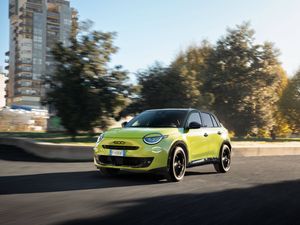
Just 86 per cent of drivers of green cars have been hit by bird droppings in the last year, compared to 92 per cent of drivers of silver cars. Green car drivers are also hit less often.