How to survive the Christmas excess and hangover
Gap-toothed children sneaking just one more minced pie. Extended families gathering round a huge dining table for a feast which would not embarrass your average Roman emperor.
From Christmas advertisers, the message is clear: Eat, drink and be merry.
But what happens when you over-indulge? And more importantly, what steps can you take to minimise the risk of a festive hangover, and prevent that impressive Christmas banquet from turning into a less impressive spread around the waist?
Shropshire dietician Charlotte Griffin-Jones says drinking water, eating toast with peanut butter and plenty of bananas should help you survive the festive blow-out without too much damage.
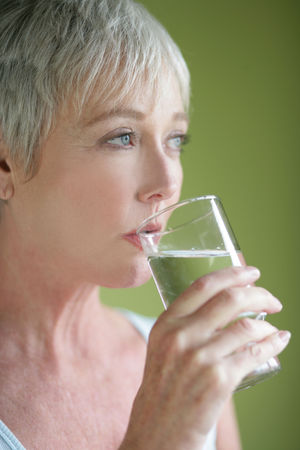
But she also adds that we must not forget the importance of getting plenty of exercise.
“The added bonus of living in Shropshire also means that we can enjoy recommended activity completely free,” she says.
“The Wrekin, The Mere, the Long Mynd, all fantastic locations on our doorstep that provide the perfect Boxing Day jaunt.”
Charlotte, who runs the Something On A Plate consultancy in Shrewsbury, says there is nothing wrong with enjoying a bit of extra food and drink over the festive period, providing it is accompanied by a bit of common sense and moderation.
She is backed by experts at Birmingham City University, who have drawn up a festive survival guide, and they warn that it is probably best to avoid give some of the so-called health drinks that are actually laden with sugar.
Senior lecturer Matthew Cole and four students from his sports and exercise nutrition course, has come up with simple rules to tackle a perennial problem at this time of year.
After nutritional analysis, he found that toxins from alcohol, extra sugars from so-called healthy drinks, which can be anything but, and physical inactivity, were among key issues.
The group then drew up a shortlist to help people ride-out the Christmas period feeling “a bit fresher”, and dodge the festive bloat.
He, too, says drinking plenty of water is crucial to enjoying a healthy Christmas – and alternating water with alcoholic drinks. He also advises exercise to boost physical health and mood.
It’s also advised to get the required Vitamins which are required can be obtained from bananas, which are high in potassium, and other dried fruit and green vegetables. The ideal hangover meal would be wholegrain toast, peanut butter, sliced banana and a drizzle of honey.
“Switching a few of those cups of gluhwein for a good old fashioned glass of water is one of the most beneficial things you can do at times like this,” says Cole.
“Alcohol overloads the body with toxins and can deplete of us of valuable salts and nutrients – especially if you’ve been existing on a diet of selection boxes and pigs in blankets. “Water will help flush out the toxins, rehydrate you and boost your immune system. It’ll also go some way to taking the edge of that hangover – which is probably all you wanted to hear.
“If you’re out drinking and can alternate water with every alcoholic drink, then even better. “Regularly drinking water will also make you feel fuller, so could help you avoid eating that sixth mince pie.”
Cole says many so-called health drinks are far from what they seem.
“People often reach for the shop-bought health drink to help them deal with the evils of overindulgence but in actual fact they could be doing more harm than good and adding to their problems.
“They are often a hidden cause of too much sugar, making many so-called health drinks often anything but.”
Cole says a lack of activity over Christmas is a major cause of weight gain and a reduction in bone and muscle health.
“Exercise reduces toxins and boosts mood,” he says.
“A few trips to the gym will keep your brain, muscles and bones healthy over the break and reduce the toxin levels in the body to make you feel fresher.
“It has also been proven to have a positive impact on your mood, so that 20-minute workout could help you side step the annual 90-minute family argument.”
He says it is important to ensure we get the required vitamins over Christmas, and recommends eating foods such as bananas, which are high in potassium, and other dried fruit and green vegetables.
He says it is important to get a balance of “macronutrients”, such as carbohydrates, proteins and fats, and “micronutrients”, like vitamins and antioxidants.
“We all know that people will be spending time partying, seeing friends and family, and having fun over Christmas, and that often comes with the drawbacks of illness, tiredness and hangovers,” says Cole.
“What we wanted to do was give people a few basic tips that could help them feel a bit fresher over the Christmas period.”
And what if you do over-indulge a bit?
“Try a wholesome, nutrient-packed, carbohydrate and protein-rich breakfast of wholegrain toast, peanut butter, sliced banana and a drizzle of honey,” says Charlotte.
“And lots of water.”
She adds that we should not lose sight of the fact that Christmas is meant to be a time of fun and joy, but just take care not to overdo it.
“Christmas is a time to enjoy, it’s not about feeling deprived but finding a balance that allows you to enjoy the festive food and drink in a more mindful way,” she says.
“Not only will your body thank you come January, but so will your mind when you’re feeling more energised, less stressed and much more positive about the new year.”