Brexit: Shropshire gets £6.1 million a year in EU money, say stay campaigners
Shropshire receives £6.1 million worth of investment from the European Union each year, say campaigners arguing for Britain to remain in the EU.
Stuart Rose, chairman of the Britain Stronger In Europe campaign, said the EU funded numerous projects in the county, including those relating to arts and technology.
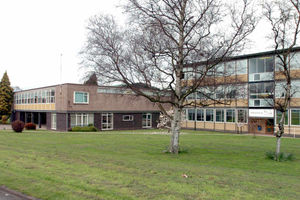
Telford College of Arts and Technology was among the beneficiaries, receiving more than £2.7 million, along with Shrewsbury College of Arts and Technology, which received £175,453.
Stronger In said future funding would be at risk if Britain voted to leave the EU.
It said that from 2007 to 2013 the European Structural Funds programme spent £626 million in the West Midlands, and will have invested a further £732 million by 2020.
The money is allocated to Local Enterprise Partnerships which help decide how the money is spent locally.
Mr Rose said: "People across Shropshire are making the choice of a generation – to stay in Europe and continue to benefit from the jobs, investment and trade that membership brings, or turn our back on the world and take a leap into the unknown.
"The Stronger In campaign is determined to showcase the strength and variety of EU investment across Shropshire – not only does Britain as a whole benefit from our membership, but individuals, towns and workplaces have all benefited from the funding they have received.
"The benefits of our EU membership clearly outweigh the costs, and the projects across Shropshire funded by EU investment make that clear."
The European Structural Fund, which supports regeneration projects, is broken down into two main sections: the European Regional Development Fund (ERDF) and the European Social Fund (ESF).
The objective of the ERDF is to address regional inequalities and support local economies.
It supports projects relating to the job creation, investment in infrastructure, and measures which support regional and local development, such as support for small and medium-sized businesses.
The ESF was set up to improve employment opportunities, raise standards of living, and support the training of the workforce.
Stronger In said the England ESF programme invested a total of £2.5 billion of European funding from 2007 to 2013.
Priority groups for support included young unemployed people, families with multiple problems, offenders, and people with low skill levels.