GM food bid step closer to shelves
Frankenstein food, cry the critics. A solution to world food shortages and key to bringing down the cost of living, say supporters. The debate about genetically modified food is nothing if not emotionally charged.

The prospect of GM fruit and vegetables on our supermarket shelves moved a step closer this week following a landmark ruling by the European Parliament.
Euro MPs voted that in future government ministers will be able to decide whether or not to allow the production of GM crops, opening the door to modified tomatoes or potatoes eventually finding there way into our shops.

The move follows months of gentle persuasion by North Shropshire MP and former environment secretary Owen Paterson, who formed an alliance with the Spanish to convince both supporters and sceptics alike that such decisions were made by individual countries.
While we are unlikely to see any changes overnight, the potential impact for both farmers and consumers could be huge.
At the moment, EU regulations prevent the commercial production of GM crops, although Rothamstead research centre in Hertfordshire and John Innes in Norwich have been growing them as part of their work for some years. However, imported meat from livestock which has been fed with GM crops has long been available in supermarkets.
The development will mark the end of a 15-year deadlock in growing GM crops, which blocked Brussels from approving any new modified varieties for cultivation, even when they have passed the European Commission's own scientific assessments. The matter was brought to head when Spain, the only EU country approved to produce GM maize, sought permission to grow a different variety, but found it almost impossible to navigate through the maze of European regulations. Mr Paterson and his Spanish counterpart set about convincing other EU states that such decisions were best made at a national level.
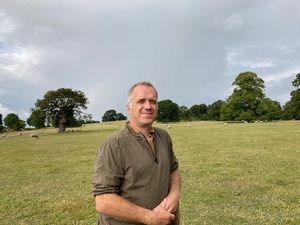
Mr Paterson warns that if Britain does not embrace new crop technology, it risks becoming "the museum of world farming".
"I'm going to South Africa shortly, where they have been reaping the benefits for some years, and in the USA they have cultivated crops which are very resistant to plant diseases," he says.
"My worry is Britain is going to be left behind. In the John Innes centre in Norwich, and Rothamstead, we have got two of the best research centres in the world, but they are being held back by policy.
"I want to see Britain becoming a world leader in agriculture," he says.
Robert Lee, who has been running his family's potato farm at Danford, in Claverley, since the 1960s, also believes that Britain will have to learn to accept GM foods.
He says: "If we do not have genetically modified crops in this country, the supermarkets will simply bring them in from abroad, and the horse-meat scandal has shown that it is better if we do it in this country where it can be regulated."
Mr Paterson points out that recent advances in food technology mean the differences between GM crops and ones grown by more traditional methods has become increasingly subtle. Until recently, genetic modification has usually involved adding extra genes to a crop to make it grow in a more desirable manner, either by the use of a particle gun or by adding bacteria to the plant. But the latest process of 'genetic editing' takes it a stage further. "We have now got to the stage where you can simply move one of the existing genes within the plant around," he says.
Mr Paterson also points out that by making plants genetically more favourable to farming, it can reduce a farmers' dependence on chemicals.
He talks about a large farm to the south of Shrewsbury, which is being forced to spend millions of pounds controlling pests. "They said 'we're just spraying and spraying' up to 15 times a year, it's costing £80 million a year in chemical bills'."
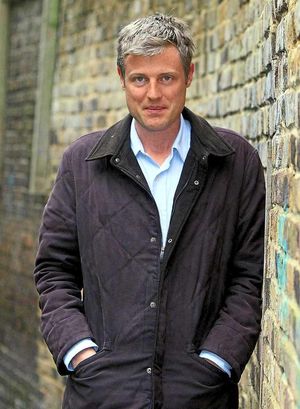
But Tory MP for Richmond Park, Zac Goldsmith, has vociferously campaigned against genetic engineering in farming. He says farmers who took on herbicide-resistant crops in the US simply led to the evolution of 'superweeds' which required more weedkiller to control them.
In other words, he says, nature will always find a way of fighting back.
The new law says governments can only use environmental grounds that are "complementary" to assessments by the European Food Safety Authority (Efsa).
But Greenpeace is sceptical, saying the ruling "grants biotech companies the power to negotiate with elected governments on GM crops, rather than with Efsa, and forces national environmental risk assessments to comply with Efsa's assessments."
Mr Paterson, though, points out that since 1996 there has been a 100-fold increase in the global use of GM.