Shropshire honey business is buzzing once more
[gallery] The honey business is buzzing once again on an estate in Shropshire thanks to help drafted in from the continent to replenish colonies severely damaged by bad weather.
The Plymouth Estate farm in Ludlow imported £10,000 worth of bees from Italy in June after 102 of its 150 hives were wiped out.
The recent arrivals are now thriving, along with those that were left, thanks to the glorious summer weather – and they are not alone.
Experts have reported a resurgence in bee and butterfly numbers this summer.
But although there is good news for some, other are not so fortunate, with wasps struggling to make an appearance.
Ludlow Food Centre, which is supplied by the Plymouth Estate farm, had feared it would soon run out of honey as a result of the local bees being hit so hard by the cold and wet last summer.
Tom Hunt, food centre market manager, said the Italian imports had, however, settled in "brilliantly" and supplies of the sweet stuff were rising fast.
Mr Hunt said: "The imported bees are doing brilliantly, they really are. They have been busy making lots of honey and we have been really impressed. We weren't expecting to see so much but with the fine weather production has been fantastic.
"Our existing bees have also been producing more than expected. They all seem to be co-habiting well, contrary to the views of some who said they should not and would not mix."
A third of English honeybee colonies failed to survive the winter after last year's wash-out summer.
The level of colony losses across England was more than double what it was last year, up to 34 per cent from 16 per cent, according to the British Beekeepers' Association.
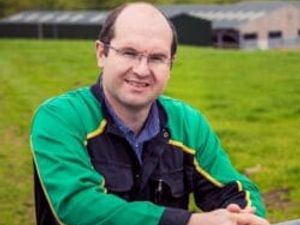
The hives on the Plymouth Estate farm are managed by Richard Lindsey who has about 800 beehives in Shropshire, the West Midlands and Staffordshire and has been farming on the estate for about six years.
Mr Lindsey, from Rowley Hill, Staffordshire, said the cold and wet led to fewer flowers and less pollen and nectar on which the bees relied.
"It has been better lately," he said. "There was no spring honey crop but two- and-a-half weeks of sunshine have helped."
Mr Lindsey, who hails originally from Solihull, said he had been keeping bees since he was at infants school. "I was just interested in insects as a youngster," he said. "The Italian imports have done well. They are not actually Italian bees. They just happen to have been bred in Italy. They are Buckfast bees."
The Buckfast bee is a hybrid strain of honeybee developed by "Brother Adam", who was born Karl Kehrle in Germany in 1898. He was in charge of beekeeping at Buckfast Abbey in Devon.
Nationally, the recent hot weather has produced one of the best populations of not only bees but also butterflies.
Martin Warren, chief executive of Butterfly Conservation, said: "Last year was the worst year ever for butterflies but I've been amazed at how some species have bounced back."
All you need to know about bees and butterflies:
Around 33 per cent of bee colonies were lost over the winter
In a colony there could be as many as 50,000 to 60,000 bees
Honey bees fly in a radius of about 3-5 miles from their homes to forage for flowers and food
Worker bees are all girls
2012 was the worst year on record for butterfly numbers
A recent report by Butterfly Conservation estimated that 72 per cent of butterfly species were in serious decline
Butterflies that are doing well: Small tortoiseshell, heath fritillary, high brown fritillary
Butterflies doing badly: Painted Lady, Red Admiral, Common Blue