Ministers in bid to wipe out bovine TB in 25 years
Ministers, including north Shropshire MP Owen Paterson, have set out controversial plans to make England free from bovine TB within 25 years.
The strategy includes the culling of badgers, cattle testing and vaccination trials.
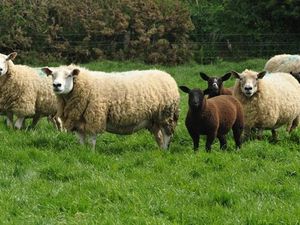
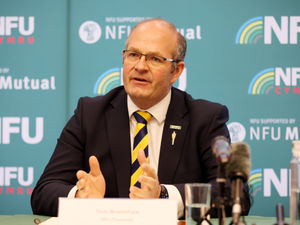
Launching the proposals yesterday Environment Secretary Mr Paterson said that 28,000 otherwise healthy cattle had been slaughtered last year because of bovine TB.
"Today we start a countdown towards an England free from this terrible disease.
"We must stop bovine TB spreading into previously unaffected areas while bringing it under control in places where it has taken hold," he said.
"I have visited Australia, New Zealand, the Republic of Ireland and the USA and we must learn from their successful TB eradication programmes.
"Bovine TB is the most pressing animal health problem in the UK. It threatens our cattle farmers' livelihoods and our farming industry as well as the health of wildlife and livestock. We must all work together to become TB free within 25 years."
Farming minister David Heath said it was a "comprehensive strategy" that made use of "absolutely everything that is at our disposal".
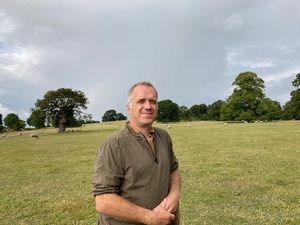
Cattle farmer Rob Alderson, of Upper Walton Farm, near Onibury, welcomed the news. He said: "Culling badgers is only controversial for people who aren't cattle farmers.
"As a beef farmer seeing so many of my animals taken away due to bovine TB is a huge inconvenience and a big expense.
"The country is trying to reduce its national debt so there is not a lot of money to compensate farmers if cattle is destroyed. Consumers are seeing beef prices rise because of the amount of cows."
Some 5,000 badgers are set to be killed in two pilot culls in west Gloucestershire and west Somerset by the end of the year.
But some claim they will not reduce TB and are inhumane.
Helen Trotman, of Shropshire Wildlife trust said she was "bitterly disappointed" that the cull of badgers would go ahead, but added the trust's alternative vaccination programme would now be expanded.
She said: "It's heartening to see the interest in vaccination as an alternative method of controlling transmission risk from badgers and we will continue to work to support those that want to deploy it on their land. We know it reduces the disease burden in badgers without any of the detrimental effects seen from culling.
"What we want to see is a raft of measures, with vaccination sitting at the centre, allowing us to maintain stable badger populations and build badger immunity to bTB from within."