Small classes to solve problems
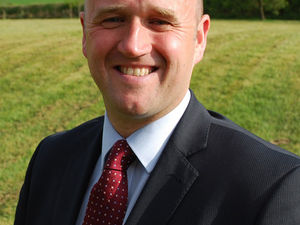
I am a sociologist and senior lecturer at Keele University. I have just moved to the county mainly because it seems child friendly and a good place to bring up children.
I am a sociologist and senior lecturer at Keele University. I am not sure if an expert opinion carries much weight but I am also a parent of two small boys and have just moved to the county mainly because it seems child friendly and a good place to bring up children.
Currently in the news we have running debates about gang culture, teen violence, obesity and educational under-achievement.
The Government's response to these issues has been piecemeal and reactive.
A good example is the announcement of £75 million to be spent on an advertising campaign to change the eating habits of children.
Food habits and culture are not changed by advertising - but by activities and habits built up over years in the context of communities and especially in schools.
A small village school like Longden Primary is in a position to go all the way by both growing and cooking food in the school and involving not only pupils and staff, but parents and the whole community.
A similar case can be made in relation to gang culture and teenage violence.
Professor Robin Dunbar at Liverpool University is the pre-eminent global authority on the anthropology of human group size.
His and others' research shows very clearly that human beings have a natural group size (between 150 and 250).
The larger the school, the less likely the head teacher will be in a position to know every child.
The absence of strong, familial authority creates a space for bullying and gang culture.
The clear implication is that in small schools you don't need metal detectors to root out a culture of violence, no more than you do in well-ordered loving families.
Dr Stephen Quilley, Keele University