Shropshire businesses deliver stark warning ahead of Budget: "Stop the uncertainty and start listening"
Shropshire businesses are sending a unified message to Chancellor Rachel Reeves ahead of her Budget: the uncertainty and lack of understanding about how business really works is stifling growth and investment.
The message is consistent across sectors. Businesses already under enormous pressure from rising costs and increased taxation say they face continued uncertainty about future policy changes that makes long-term planning virtually impossible.
Following the Chancellor's pre-Budget speech this week, in which she warned of "difficult choices" ahead, business leaders across Shropshire are calling for policies that actually support growth rather than hinder it.

The legal sector, which works closely with businesses across multiple industries, has a front-row seat to the challenges facing companies. Neil Lloyd is chief executive of Shropshire law firm FBC Manby Bowdler and Chair of the Midlands-based Training and Manufacturing Group. He says the Chancellor should be brave with her choices but warns that businesses are already at breaking point.
"The Chancellor has her work cut out. We've seen from the unusual decision to give a pre-Budget speech that we should all be prepared and there was a warning of 'difficult choices' coming. We can only hope she sticks to her promise of fairness.
"For us and our clients, any increase in minimum wage needs to be reasonable and inflation linked. Last April's rise was almost double inflation and coupled with the increase in National Insurance contributions has no doubt led to some of the slowdown in the jobs market."
Neil’s concerns extend beyond employment costs to broader taxation issues. "We also saw an increase in Capital Gains Tax and our clients have planned appropriately – so any further changes would be unwelcome. Businesses across multiple sectors are saying they simply don't have the headroom in their own budgets for more taxation without a proper plan for growth."
The manufacturing sector, which should be at the heart of any growth strategy, is facing particular challenges around innovation funding. For companies trying to develop new products and technologies, recent changes to research and development tax relief have been devastating.

Jennifer Hughes, general manager of Telford-based engineering firm Transicon, is urging the government to reverse recent changes that have hit innovative SMEs hard. "If there's one thing I'd ask the Chancellor to prioritise in the budget, it's reversing the changes to SME R&D claims.”
The impact on her business has been dramatic.
"The numbers speak for themselves - we used to get around 40p to 45p back for every pound we invested in our people working on R&D projects. Now we're looking at just 15p back. That's a massive difference for a company like ours.
"When you're making decisions about whether to take on risky, innovative projects, you used to factor in that you'd save about half the cost through the tax relief. Now it's barely worth considering. It genuinely restricts what we can invest in."
Jen says the policy has broader implications for UK manufacturing.
"For SMEs like us, every R&D project is a significant risk. We don't have the deep pockets to absorb failures, so that tax relief was crucial in encouraging us to push boundaries and develop new solutions. Without it, there's a real danger that innovation will slow down across the smaller companies that make up the backbone of UK manufacturing."
The construction sector faces its own frustrations, particularly around the gap between government promises on infrastructure investment and the reality on the ground. Despite repeated announcements about major projects and new developments, companies are still waiting for contracts and frameworks to materialise.
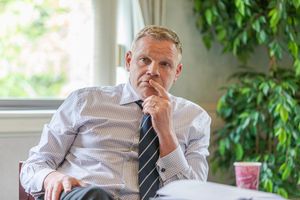
Paul Inions is managing director of award-winning civil engineering and construction contractor McPhillips and chair of Shropshire Constructing Excellence, which represents a number of sector companies in the county.
"The Chancellor faces tough decisions, but our sector needs clarity and genuine support, not just promises and announcements. We've heard plenty about infrastructure investment plans but what we need now is action that translates into real, deliverable projects.
"What I'd really like to see is a commitment to fast-tracking infrastructure projects that are already planned but stuck in bureaucratic processes. We have the skills and capacity to deliver, but too often we're waiting for decisions rather than getting on with the job.
"For example, the Procurement Act has changed the landscape for construction - it required contractors to invest heavily in carbon reduction plans and social value initiatives to position themselves positively for public sector contracts. Yet these plans and investments are frustrated and challenged through a lack of clarity and foresight of project pipelines.
"The West Midlands, for instance, has huge potential with the new town developments and infrastructure plans, but these need proper funding commitments and streamlined approval processes. We need fewer announcements and more spades in the ground. Stop making grand plans and start delivering on them consistently - that's what would make a real difference to construction businesses and the communities we serve."

The aviation and advanced manufacturing sector is particularly concerned about being singled out for additional taxation, despite already facing global competitive pressures. Graham Corfield is chief executive of international aviation ramp manufacturer Aviramp, one of the fastest growing companies in the UK. He holds out few hopes that the Budget will be positive for business.
"I would have hoped that this Budget would be the time when the Government finally started delivering on its promises to create growth. There has been a lot of talk about it, but little action. In fact, the National Insurance increase last year did quite the opposite.”
His company, which is the world leader in manufacturing step-free, non-slip aircraft boarding ramps, faces particular challenges around employment costs: "I would also like to see action to bring down the cost of creating new jobs so that it is much more attractive to businesses to grow their headcounts. At the moment we are penalised for taking on new staff, which is hardly a recipe for growth.
"I very much hope the Chancellor ignores calls to put additional taxes on air travel and aviation fuel, the result of which will only be to reduce customer demand and hit our ability to compete globally.
“But I suspect what we will actually get will be more taxation. More red tape and more top-down interference. If that does turn out to be the case, then I see little hope for significant growth in the economy in the years ahead."
The frustration about government understanding of business runs deep across all sectors. This theme emerges repeatedly from companies that feel politicians lack the practical experience of running commercial operations.
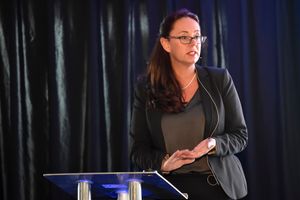
Amy Bould, managing director of strategic communications company Be Bold Media, said the Chancellor had shown time and time again that she has ‘zero idea’ how businesses run with ‘no experience of how SMEs are operating at the coalface’.
“I think the Chancellor is living in a dream world where she thinks working people are not the same people who own, manage and run businesses which employ working people and, in turn, drive growth.
"Be Bold Media works with businesses across multiple sectors and we see the same issues popping up again and again. We see SME housebuilders are on their knees, retail closing doors and manufacturers can't plan capital investment because they don't know what the Chancellor is going to announce next.
“This isn't a political statement - the previous Government couldn't get it right either. But there comes a time when Government needs to listen to what business is telling them and take it in good faith. Working people run businesses. We provide employment and training opportunities, we are innovators, we are the engine for the growth the Chancellor says she wants.
"What we want to see is some real commitment to working with Britain's SMEs to create the conditions for growth and prosperity. That can't be public sector led, it needs buy-in from the private sector.”
The themes emerging from Shropshire businesses mirror concerns raised by national business groups. The CBI has consistently called for stability in tax policy and support for business investment, while the Federation of Small Businesses has highlighted the particular pressures facing SMEs from rising employment costs and regulatory burdens.
For the Chancellor, the message from Shropshire is clear: businesses want to grow, create jobs and drive the economic growth she talks about. But they need stable, predictable policies created in partnership with those who actually understand how commerce works
The question now is whether Rachel Reeves will listen to these concerns or continue down a path that businesses fear will stifle the very growth and job creation the government claims to want.