Envoys signal no breakthrough on bridging Russia and Ukraine’s differences
The negotiations in Switzerland were the third round of direct talks organised by the US.
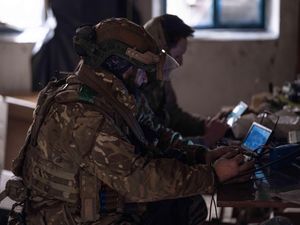
The latest US-brokered talks between envoys from Moscow and Kyiv over Russia’s all-out invasion of Ukraine have ended with no sign of a breakthrough and with both sides saying the talks were “difficult”, as the war’s fourth anniversary approaches next week.
The negotiations in Switzerland were the third round of direct talks organised by the US, after meetings earlier this year in Abu Dhabi that officials described as constructive but which also made no major headway.
Expectations for significant progress in Geneva were low.
“The negotiations were not easy,” Ukrainian President Volodymyr Zelensky said after the talks broke up and he spoke briefly by phone from Kyiv with his negotiating team.
He earlier accused Russia of “trying to drag out negotiations” while it presses on with its invasion – an accusation he and European leaders have repeatedly made in the past.
Despite that, some progress was made on military issues although political differences remain deep, including over the future of land in eastern Ukraine that is occupied by the Russian army and that Russian President Vladimir Putin wants to keep, Mr Zelensky said.
The head of the Russian delegation, Putin adviser Vladimir Medinsky, told reporters that the two days of talks in Geneva “were difficult but businesslike”.
Kremlin spokesman Dmitry Peskov told reporters that it is “too early” to speak about the outcome of the talks.
Mr Putin has been receiving reports about progress in Geneva, he said.
Both sides said a new round of talks is set to take place.
Mr Zelensky described the military discussions as “constructive”, adding that the armed forces of both countries considered how any future ceasefire might be monitored.

“Monitoring will definitely be carried out with participation of the American side,” he said in a voice message shared in a media group chat on WhatsApp.
US President Donald Trump’s envoy Steve Witkoff said on social media that Washington’s push for peace in Ukraine over the past year has “brought about meaningful progress”, without elaborating.
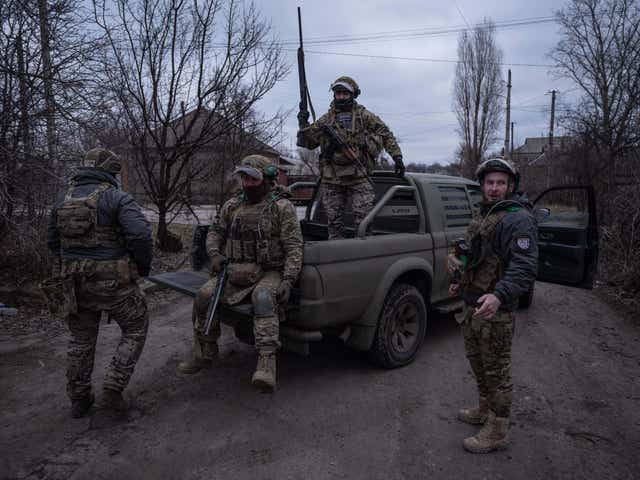
The two armies remain locked in battle on the roughly 1,250-kilometre (750-mile) front line, while Russia bombards civilian areas of Ukraine daily.
Hours after the first day of talks ended on Tuesday, Russian drones killed a woman and injured a six-year-old girl and 18-month-old toddler in the southern Ukraine city of Zaporizhzhia, officials said.
Overnight, Russia launched one ballistic missile and 126 long-range drones at Ukraine, according to the Ukrainian air force.
Kremlin spokesman Dmitry Peskov told reporters that it is “too early” to speak about the outcome of the talks.
Mr Putin has been receiving reports about the talks’ progress, he said.
The head of the Ukrainian delegation in Switzerland, Rustem Umerov, said that officials are trying to bridge their political and military differences.
“Consultations are taking place in working groups by areas within the political and military tracks,” Mr Umerov wrote on X.
“We are working on clarifying the parameters and mechanisms of the decisions discussed yesterday.”
Mr Zelensky said the delegations were also to discuss further exchanges of prisoners of war and the release of civilian prisoners.
He revealed that the Ukrainian and American envoys in Geneva met with representatives from the United Kingdom, France, Germany, Italy and Switzerland.
Europe’s participation in the process is “indispensable”, Mr Zelensky said.
European leaders, mindful of Mr Putin’s wider ambitions, say their own security is at stake in Ukraine and have insisted on being consulted in peace efforts.
Russia and Ukraine appear to still be far apart on their demands for a settlement.
Mr Zelensky has offered a ceasefire and a face-to-face meeting with Mr Putin.
But Moscow wants a comprehensive agreement before committing to a truce.
Mr Putin’s key goals remain what he declared when Russia invaded its neighbour on February 24 2022: Ukraine must renounce joining Nato, sharply reduce the size of its army and protect Russian language and culture to keep the country in Moscow’s orbit.
Additionally, Mr Putin wants Kyiv to withdraw its forces from the four regions Moscow has occupied but does not fully control.
Mr Zelensky says Ukraine will not surrender land to Russia.