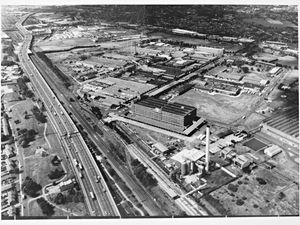
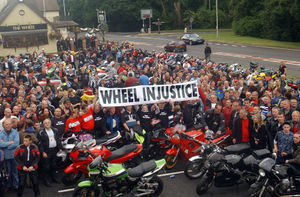
Reader recalls Shrewsbury’s role in Baird television history - your letters, plus a snapshot of Wednesday nights at The Wheel
Readers write on Shrewsbury’s historic link to Baird television and concerns over delays with speed cameras.
You can enjoy other pictures from the past and more with our weekly FREE Nostalgia Newsletter - with scores of archive pictures and exclusive features on the history of Shropshire and Mid Wales - all sent to your inbox every Friday. Sign up here.
Town’s link to Logie Baird
Following on from Toby Neal’s interesting article on a home-made 1933 clockwork television and the celebration of the 100th anniversary of John Logie Baird’s demonstration of a working television I thought I would write about Shrewsbury’s connection to Baird Television.
In the 1930s, William (Bill) Hartley set up Hartley and Co in Frankwell, Shrewsbury, trading as Electrical Engineers. The company did some work with a crane maker from Swansea making prefabricated wiring harnesses in the name Octopus Wiring. In 1939 a new company was formed and John Symonds of Octopus, moved to Shrewsbury to assist with the sales of Hartley’s products and services. The wiring harness business grew and the company built preformed house wiring kits in Ironbridge and Ketley. In 1949 the company moved to the former WWI aircraft hangers Octopus Works in Monkmoor Road in Shrewsbury, The extra space was needed to fulfil some major orders for wiring kits for 20,000 houses to be made for Airey Homes of Leeds, and later kits for prefabricated houses all over Britain. Over 250,000 wiring kits were supplied for the UK housing market and kits were also exported to Kuwait and New Zealand.
By 1954, after taking over Duratube and Wire and Trust Accessories Hartleys was taken over by Baird Television Ltd the name changed to Hartley Baird with Bill Hartley as managing director. The new company then took over Ambassador Radio and Television and produced a range of electrical and mechanical products including wood burning stoves and continued to make Baird television sets for Radio Rentals.
Hartley Baird made radio sets for Hacker Radio and their own designed portable battery operated Wondergram and Supergram. Another innovation was the Taperiter system, which was a dictation system for large offices, used a tape cassette system based on full size reels of tape in a metal case that could be lifted off the tape recorder for transcription elsewhere. Certainly a very early cassette tape player. The Company also produced defence electrics, and later electronic equipment and offered post design services. At its peak the company employed over 700 people.