Fake research paper based on a Star Trek episode is published in a scientific journal
The manuscript is based on a Star Trek: Voyager plot disguised in scientific jargon and gibberish.
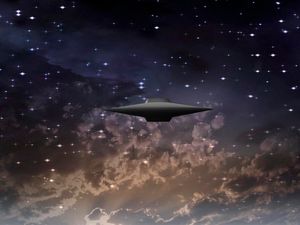
A biologist has revealed how a journal published his fake scientific study that is littered with references to Star Trek.
The so-called research, published in the journal American Research Journal of Biosciences, is actually a storyline of a Star Trek: Voyager episode called Threshold disguised in scientific jargon and gibberish.
The study author calls himself Lewis Zimmerman – a fictional Star Trek doctor played by the actor Robert Picardo.
In the episode, Starfleet Lieutenant Tom Paris appears to achieve the maximum warp velocity of Warp 10 that results in his body experiencing physiological changes where he morphs into a human-like amphibian.
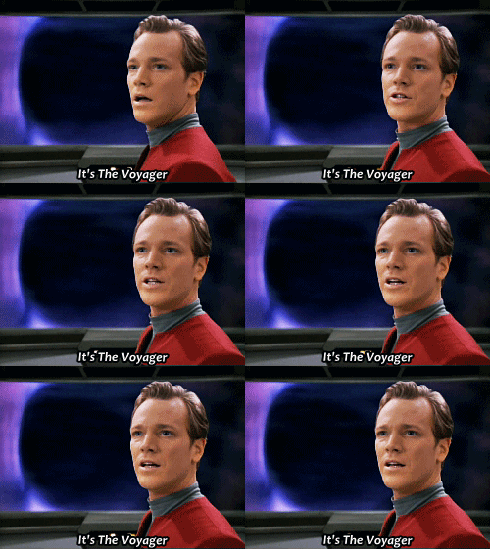
The author wrote: “We employed a replicated design wherein the two human subjects were exposed to the theoretical maximum celerity (warp 10) and examined.
“Physical responses to the celerity became apparent in later observations… Two subjects were allowed to breed, and a litter of three viable, motile progeny were produced with no obvious external physical deformity relative to the parents.”
The paper’s author Space.com said he sent the paper to 10 open-access journals, of which four accepted his work.

This is not the first time a journal has has been caught out by fake manuscripts.
Last year, a blogger who goes by the name Neuroskeptic wrote in a post on Discover Magazine about how they created a Star Wars-themed bogus research paper that was published by three open-access medical journals.
The American Research Journal of Biosciences did not immediately respond to request for comment.