Did history forget the elderly? New research finds people in the Middle Ages regularly lived to 70
The idea that 40 was old-aged and people did not live much beyond has been rebuked.
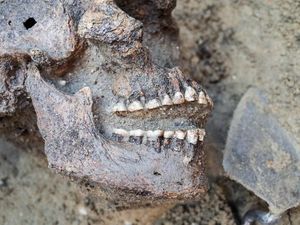
A belief that people in the Middle Ages did not live to old-age has been dismissed by an archaeologist.
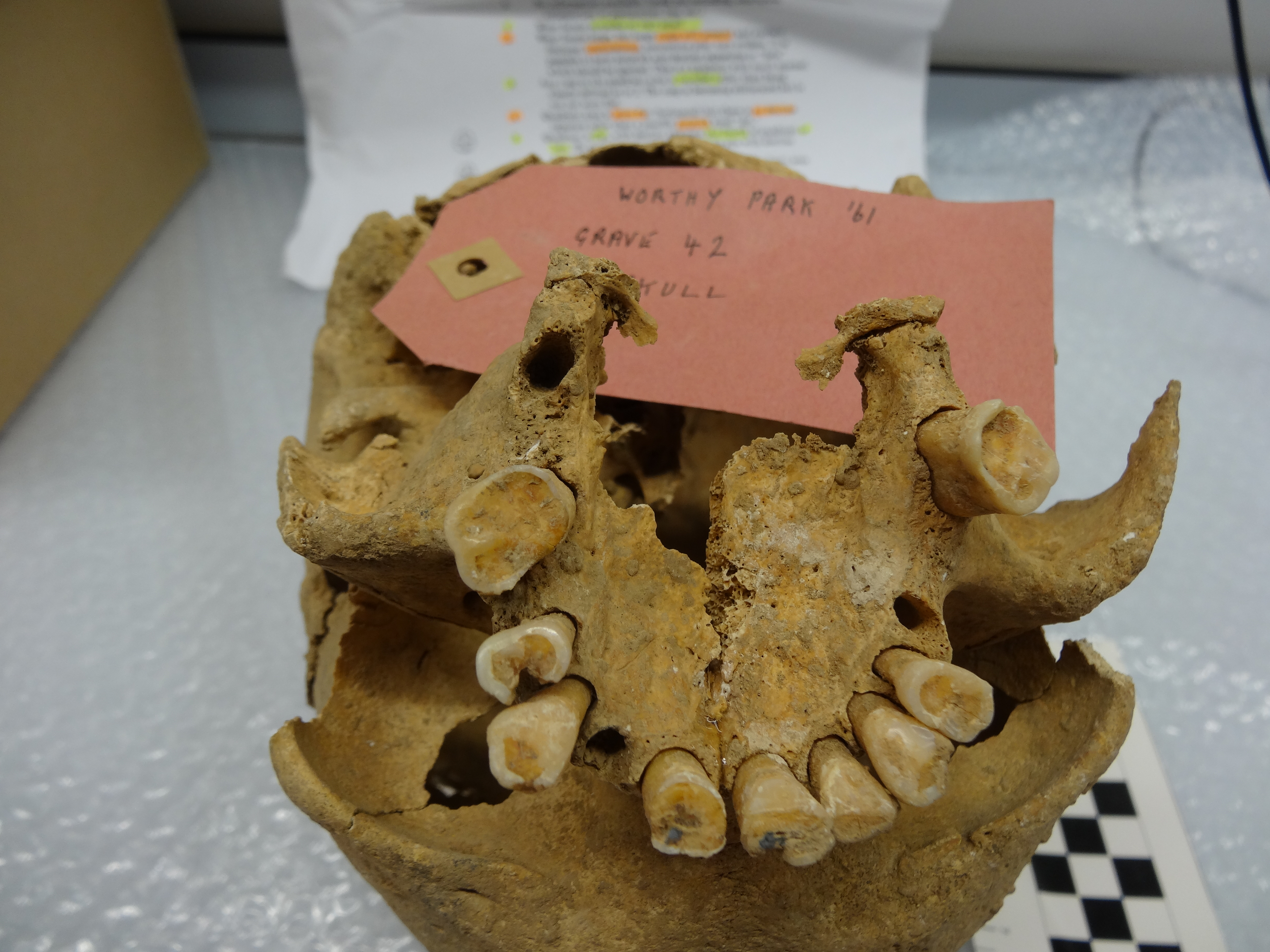
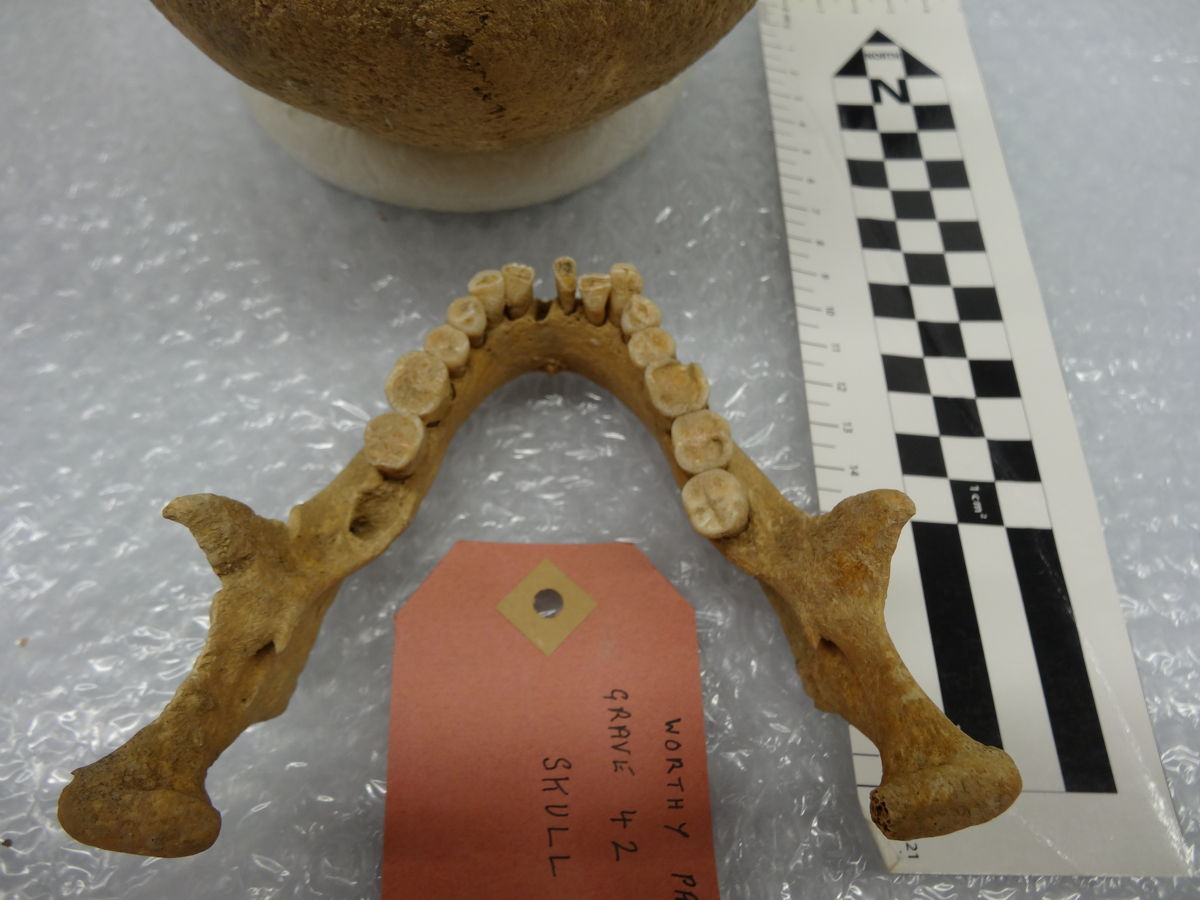
Christine Cave has used a new method of dating skeletal remains by looking at a person’s teeth.
Her research determined it was not uncommon for people to live to old age.
Cave, a PhD Scholar with the Australian National University, said: “People sometimes think that in those days if you lived to 40 that was about as good as it got. But that’s not true.
“For people living traditional lives without modern medicine or markets the most common age of death is about 70, and that is remarkably similar across all different cultures.”
Cave examined remains from Greater Chesterford in Essex, Mill Hill in Kent, and Worthy Park in Hampshire.
Her new method looked at people’s teeth and analysed the wear compared with living populations of comparable cultures.
“When you are determining the age of children you use developmental points like tooth eruption or the fusion of bones that all happen at a certain age. Once people are fully grown it becomes increasingly difficult to determine their age from skeletal remains, which is why most studies just have a highest age category of 40 plus or 45 plus.
“So effectively they don’t distinguish between a fit and healthy 40-year-old and a frail 95-year-old. It’s meaningless if you are trying to study elderly people.”
Cave’s study Sex And The Elderly was published in the Journal of Anthropological Archaeology.