Q&A: Everything you need to know about the plan to ban bee-harming pesticides
Michael Gove said new evidence indicated the risk to bees and other insects from the chemicals was greater than previously thought.
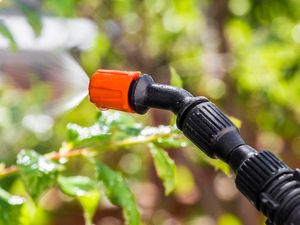
Environment Secretary Michael Gove has announced the Government supports a total ban on bee-harming pesticides in the countryside across Europe.
In a reversal of the Government’s previous position on “neonicotinoid” pesticides, Gove said new evidence indicated the risk to bees and other insects from the chemicals was “greater than previously understood”.
Here are the answers to some of the key questions.
What are neonicotinoid pesticides?
They are a group of pesticides designed to protect crops such as oil seed rape and cereals from pests such as sap-sucking aphids and cabbage stem flea beetles.
How do they work?

What is the problem with them?
Increasing evidence shows they also cause harm to important pollinating insects such as bees, with “sub-lethal” effects such as damaging the ability of bees to forage for food and reducing egg-laying by queen bumblebees.
Environmentalists also say the chemicals can run off into streams, rivers and the wider environment where they can affect other wild plants and creatures.
Why are pollinators important?
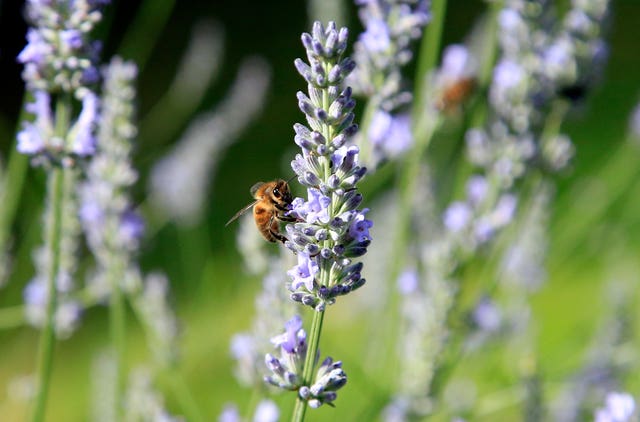
They are also a significant part of food chains in the natural world, and how populations of insects are doing is a key indicator of the health of the wider environment.
What is the current situation with neonicotinoid pesticides?
Three key neonicotinoids – imidacloprid, clothianidin and thiamethoxam – have been banned for use on crops attractive to bees such as oil seed rape since 2013, as well as from products used by amateur gardeners.
What happens next?

Gove’s announcement signals support for this move, which could be voted on in Brussels in the next few months, with a ban coming in six months later.
If the restrictions are brought in, it remains to be seen what farmers – who say they need the chemicals to protect their crops – will use instead, with concerns raised that they may switch to other harmful pesticides.