More buyers would opt for a hybrid than a diesel, study finds
While more than half of buyers would opt for petrol, nearly a third say an alternatively-fuelled vehicle would be their choice
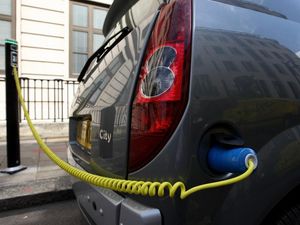
If they were buying a new car today, more buyers would opt for an alternatively-fuelled vehicle (AFV) such as a hybrid or an electric vehicle than a diesel.
That’s according to research by car insurance comparison website GoCompare, which asked 2,000 people which type of fuel they’d opt for if they were buying a new car in 2019. It found 27 per cent of buyers would opt for an AFV while just 18 per cent would go for a diesel. Petrol was the preferred choice for a large margin, taking 55 per cent of the vote.
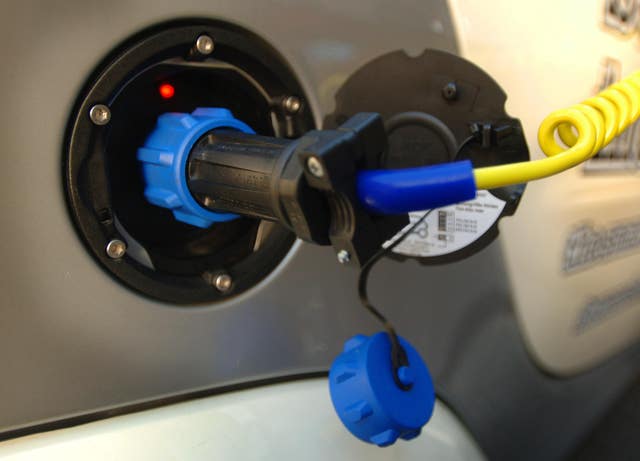
However, few buyers were willing to make the switch to full electric vehicles. Of the 27 per cent who would opt for an AFV, just 5 per cent would go for a full EV – with 22 per cent instead preferring a petrol or diesel hybrid. While AFVs technically encompass other fuel types such as hydrogen or natural gas, the tiny proportion of motorists in the UK driving these vehicles makes them negligible at this time.
Sales of AFVs, particularly hybrids and EVs, are growing rapidly. In February 2019 sales grew by 34 per cent, according to the Society of Motor Manufacturers and Traders. And that figure only looks likely to increase, especially with more manufacturers introducing hybrid powertrains to best-selling models.
However, GoCompare notes that insurance can be pricey for AFVs, with some companies choosing not to offer it at all.
Matt Oliver, car insurance expert at GoCompare, said: “Environmental concerns are increasingly becoming a factor in choosing a new car. As the government continues to place tighter restrictions on petrol and diesel cars and the infrastructure for fuelling stations improves, we’ll start to see many more alternative fuel vehicles on the road.
“At the moment, alternative fuel cars are pricier to buy than their petrol or diesel counterparts but, as demand increases, and more cars are made – prices will fall. This in turn will help drive down the cost of repairs and insurance for these cars.”