‘It is such a worrying time’ - Family appeal after Telford dad has half his skull removed after devastating stroke
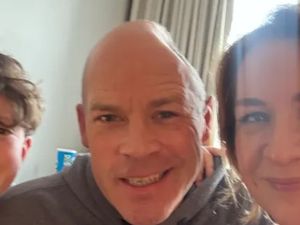
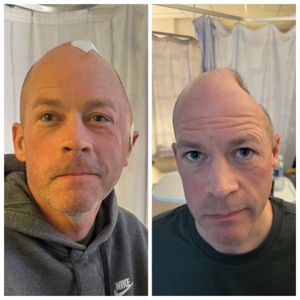
A Shropshire family have launched an appeal after a 48-year-old dad suffered a devastating stroke that required him to have half his skull removed.
Gareth Steward from Lawley in Telford had just pulled up in his car to begin work as an HGV driver in Stafford when he had his life-changing stroke on July 3 last year.
Wife Alison said there had been no warning signs.
“It seems to have just been one of those things. He’d had a headache for a couple of days but there were no other signs and when he got to work that day he just collapsed.”
She said thankfully a work colleague saw Gareth fall and he was rushed to hospital.
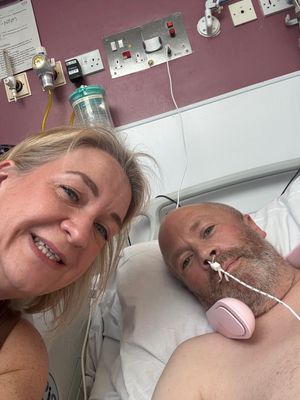
“Overnight everything changed,” said Alison. “One minute we were living our normal life - school runs, football matches, family time - and the next we were in hospital surrounded by machines, consultants and words no family ever wants to hear.
“Since that day, Gareth has endured surgeries, long hospital stays and intensive neuro-rehabilitation. He is fighting every single day to regain the things most of us take for granted, movement, speech, independence - normality. Watching someone you love work so hard just to do the smallest things is both heartbreaking and inspiring.
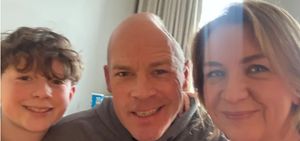
“Gareth is the kind of person who would do anything for anyone. A devoted dad to Jack, a loving husband and a very loyal friend.”
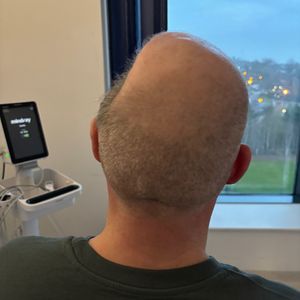
Last week, Gareth underwent a craniectomy, where surgeons removed part of his skull, and Alison says that he now has a “long road” ahead to regain many of the functions he took for granted.
“Gareth has severe aphasia and apraxia. Aphasia means Gareth’s ability to communicate has been dramatically affected. He knows what he wants to say - but the words won’t come out.
“Imagine having your thoughts trapped inside your own mind for eight months. Apraxia means his brain struggles to send the right messages to his body especially for speech and movement. It’s not that he doesn’t understand - it’s that his brain and body aren’t communicating properly.
“Gareth is still Gareth - his personality, his humour, his love for us - but everything takes immense effort.
“Gareth’s recovery will be long. It will require ongoing specialist therapy:- speech and language, physiotherapy, occupational therapy and neurological support. Progress is slow and hard earned.”
She said as Gareth had been the main breadwinner for the couple and their 12-year-old son Jack, it was now a “worrying time” for the family.
“Sadly speech and language therapy is a postcode lottery and we have been informed that there isn’t a lot of NHS support in the area we live. Meaning, we will probably have to look at a private speech and language therapist for Gareth.
“No one prepares you for this - the emotional trauma is enough on its own, but the financial pressure adds another layer of stress during an already heartbreaking time.
“Gareth was the main earner and I am trying my best to hold everything together. I am trying to raise funds to help ease this burden.”
The family have launched an appeal to help them cope with the massive change to their life - and more than £4,000 from generous friends and family has already flooded in.
“Every donation will go towards supporting Gareth’s ongoing rehabilitation, travel costs, household bills etc. We simply want to give Gareth the best chance of speaking again,” said Alison.
The fundraising page for Gareth can be found at: www.gofundme.com/f/supporting-gareth-through-stroke-recovery