HGV fuel leak at Telford petrol station ‘may not have migrated’, consultants tell planners
Environmental consultants have told planners how pollution risks can be mitigated at a 30-year-old petrol station site which is set to be demolished and rebuilt.
EG On The Move took over the Shawbirch Service Station earlier this year and it has applied to Telford & Wrekin Council to make major changes to the site at the Shawbirch Roundabout north of Wellington.
If plans are approved it will mean the demolition of the existing fuel pumps, canopy, sales kiosk building, and a Greggs unit.
The existing 76 square metre sales kiosk and 62 sq m Greggs unit will be replaced with a 380 sq m sales kiosk building including a food and beverage offering.
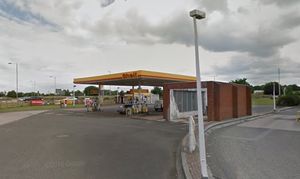
A report being considered by Telford & Wrekin Council found that the Shawbirch Service Station had its original fuel tanks from more than 30 years ago which did not have now standard leak monitoring equipment.
Its examination of ground at the site found evidence of one historic leak which it linked to the HGV refuelling part of the site.
A geo-environmental assessment has been lodged on the Telford & Wrekin Council planning portal. Five boreholes were dug at the site as part of investigations.
The investigations found that some “evidence of hydrocarbon contamination was identified during drilling works which recorded a weak hydrocarbon odour”.
“Other than this, despite the presence of made ground, there was no other palpable evidence of contamination, waste or putrefiable material encountered in the other sampling locations during the investigation including any visual or olfactory evidence of hydrocarbon staining.”
The consultants have concluded that evidence supports that “contamination may be localised within soils in certain areas and may not have migrated across the remainder of the site in groundwater”.
They added that the proposed redevelopment of a petrol filling station is currently “not considered to represent an unacceptable risk to the wider groundwater resource, local watercourses or neighbouring properties”.
Consultants say that as the existing fuel lines and tanks are due to be replaced with modern lines and double-skinned tanks they will “undoubtedly provide a degree of betterment and may remove the bulk of the contaminant source, although there may still be a plume in soils/groundwater which requires follow-on management or treatment”.
The consultants have made recommendations to further quantify the level of risks present, and what the remedial process will need to take account of.
These include ground gases getting inside buidings on the site, risks to groundwater and risks to groundworkers from shallow soils.
They add that remediation can be carried out during the redevelopment.
The consultants have also advised that the local water authority be consulted because drinking water pipes made from alkythene “may be at risk from contaminants in the ground, specifically petroleum hydrocarbons”.
Consultants have recommended that a copy of the report be provided to Telford & Wrekin Council's environmental health department.
An extension of decision-making time limits to November 14 has been agreed to allow the council to finalise its assessments after officials receive appendixes to detailed reports.