
Next steps for campaign to get bathing water status for popular Shropshire River Severn swim spots
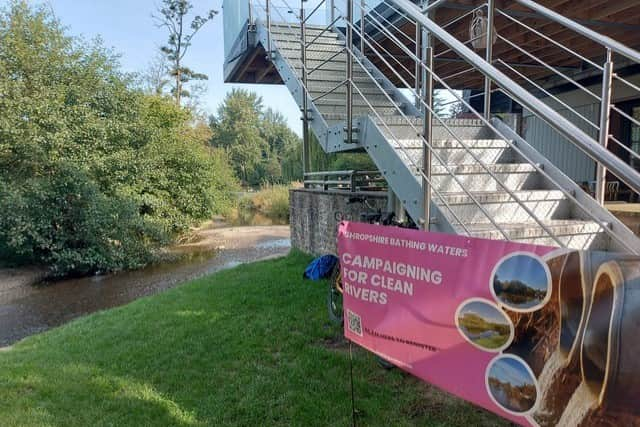
A campaign to have popular parts of the River Severn designated as Bathing Water Status sites is a step closer to its goals after a hugely successful summer season for enjoying the river.


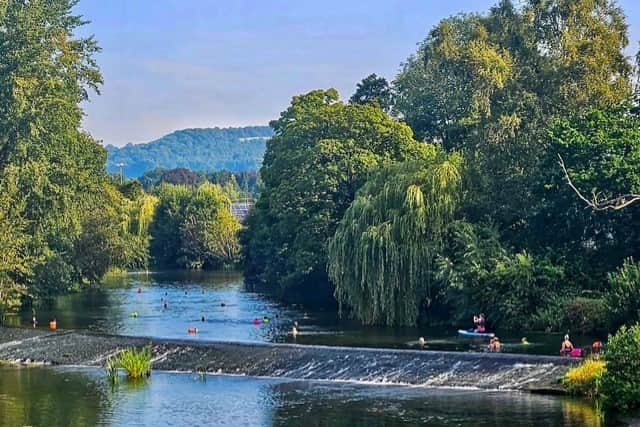
Swimmers, kayakers, paddle boarders and others who enjoy being in, on or alongside the River Severn at three specific Shropshire sites have been able to log the swims with a campaign group.
It, meanwhile, has had volunteers checking the water twice weekly at The Linney in Ludlow; at Ironbridge; and at Frankwell in Shrewsbury, and has been consulting with users, residents and local businesses about Bathing Water Status.
One of the main qualifiers for status is having at least two days in a single bathing season where more than 100 people have used each of the specific stretches of the Severn.
Campaign member, Alison Biddulph, said the group wanted to thank those who counted the swimmers and those consulting local businesses as well as the businesses themselves.
"Also everyone, from landowners and councillors to cake bakers and photographers, who helped us."
She said the biological water testing was funded by Surfers Against Sewage and the Rivers Trust.
Now volunteers are pulling together all the statistics before applying for bathing water status for the three sites.
"Water designation will require the Environment Agency to test the water weekly, and if it isn’t up to at least a satisfactory standard of 'Bathing Water Quality', the agency will investigate any pollution and work to improve it for at least five years," Alison said.
The Environment Agency takes regular samples at newly designated sites during the bathing season - which runs between May 15 and September 30.
It then assesses whether action is needed to cut pollution levels and works with communities, farmers and water companies to improve water quality at the sites.
The Department for Environment, Food and Rural Affairs says when it selects new swimming sites, it considers how many people bathe there, whether the site has suitable infrastructure and facilities such as toilets, and where investment in water quality improvements following designation would have the most impact.
Only those applications that meet these factors are taken forward to public consultation.
Meanwhile water companies are facing criticism over a five-year upgrade plan which will see consumers “foot the bills” for billions of pounds’ worth of investment into reducing sewage spills.
Water bills could rise by about £156 per year by 2030 to help providers invest in building the infrastructure to prevent 140,000 sewage overflow spills a year.
Severn Trent Water has published a £13bn business plan, which aims to improve water security and protect the environment, as well as creating 7,000 more jobs in the Midlands.
The proposals include investment in water security, to reduce leakage and ensure that the system can cope with peak demand for years to come. It also intends to invest in reducing storm overflow spills by 30 per cent, achieving the Government’s targets five years early.
South Shropshire MP Philip Dunne has welcome the proposals.
Mr Dunne is a well-known campaigner on sewage pollution, having introduced the Sewage (Inland Waters) Bill to Parliament as a Private Members Bill, which received support from campaigning groups such as Surfers Against Sewage.
Mr Dunne said: “These plans show Severn Trent is leading the way in improving water quality and reducing the impact of storm overflows.
"I am very pleased that the proposals include substantial investment in protecting our rivers from sources of pollution, while also ensuring water security for the years ahead.
"In South Shropshire, Severn Trent are investing in cutting discharges from their assets along the River Teme in South Shropshire between Knighton and Burford, as one of two pilot projects to test how best to clean up their impact on rivers.
"This all points in the right direction for the health of our rivers, and I look forward to seeing the impact of this investment over the next few years.”
Comment Guidelines
Iconic Media encourages reader discussion on our stories. User feedback, insights and back-and-forth exchanges add a rich layer of context to reporting. Please review our Community Guidelines before commenting.