'We are completely overwhelmed and incredibly grateful to everyone': Community raises £15,000 for Bridgnorth dad struck down by motor neurone disease
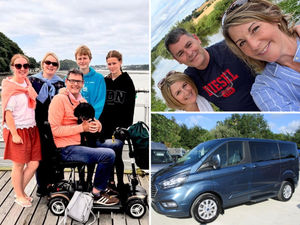
A Bridgnorth father struck down with the progressive disease motor neurone disease (MND) has received a new wheelchair-accessible vehicle after the family received nearly £15,000 in donations.
Dylan McGoldrick was diagnosed with MND in July 2025.
The progressive disease attacks the nervous system, leading to muscle weakness and loss, and since his diagnosis, Dylan, who is just 51, has declined rapidly.
The Bridgnorth dad, who works as a health, safety and environment manager, has lost significant strength in his arms, legs, and hands. He is now wheelchair-dependent and can no longer safely get in and out of a standard car, which has dramatically reduced his independence and ability to spend meaningful time outside the home with his wife Louise and two teenage daughters, Amelia and Ella Rose.
Dylan’s sisters, Tash Deverell and Eva McGoldrick, launched an appeal last month so they could purchase a van for Dylan, saying “time was critical” for the father of two.
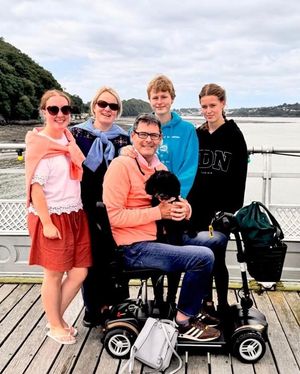
In just over a month, thanks to generous donations from the people and organisations of Bridgnorth, they have raised nearly £15,000 and were able to buy Dylan a specialist wheelchair-accessible vehicle, which he has now received.
"We are completely overwhelmed and incredibly grateful to everyone who has supported Dylan and our family over the past few weeks," said Tash. "In just over a month an unbelievable £14,947 has been raised through donations, shares, messages and acts of kindness. We truly cannot find the words to thank you all enough.
"Because of your generosity, we have been able to source and secure a specialist wheelchair-accessible vehicle for Dylan far sooner than we ever imagined. Due to Dylan’s height, he requires one of the largest types of mobility vehicles and the total cost of the vehicle is around £20,000. Thanks to the support from so many people, the vehicle has already been sourced and delivered.
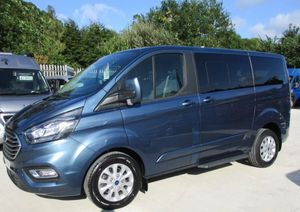
"When you receive a diagnosis of motor neurone disease, time suddenly becomes incredibly precious. Every single day matters this vehicle will make a huge difference by allowing Dylan to attend medical appointments safely and just as importantly, to spend valuable time out and about with his family."
Dylan wanted to share a message with everyone who has helped. He said: "We are completely overwhelmed by the kindness and generosity shown to us. Knowing that so many people came together not only to raise the funds, but to help find and deliver the right vehicle so quickly has meant more than we can put into words.
"Time isn’t on our side and this vehicle will make a huge difference. It means I can get to appointments safely and still spend precious time with my family. We are deeply grateful to everyone who supported us."
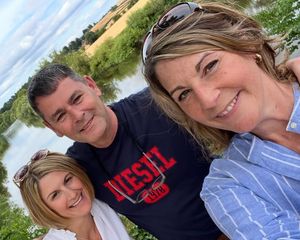
Tash added: "We would also like to say a heartfelt thank you to the St John’s RC Church community, who have been part of our lives for years. We would also like to thank the Bridgnorth Lions Club, the compassion and generosity shown has been extraordinary.
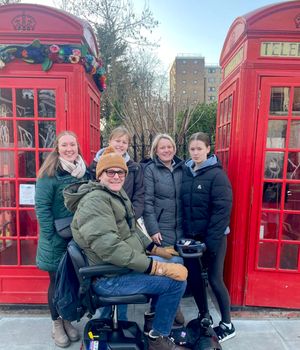
"We are also incredibly grateful to Bridgnorth Football Club and The Woodberry Inn, who will be hosting fundraising events in the coming months."
She added that they wished to say a special thanks to Greg Ward and Steve Hardman of Premier Technical Services Group, Sam Bliss of Wessex Fleet and Nick Leitch from GM Mobility, who managed the purchase and organised for the vehicle to be delivered free of charge from Devon.
"Motor neurone disease is a devastating illness. Every day in the UK, six people are diagnosed and six people die and more than half of those diagnosed will die within two years."