500 more electric car charging points agreed for Shropshire
More than 500 new electric car charging points will be built in Shropshire.
Shropshire Council’s Cabinet this week approved plans for a major expansion of electric vehicle (EV) charging across the county, supported by more than £2 million in Government funding and significant private‑sector investment.
The programme – part of the Department for Transport’s Local Electric Vehicle Infrastructure (LEVI) Fund – is aiming to more than double the number of public EV charge points currently available in Shropshire.
Under the new plans, some 500 or more additional public EV charge points will potentially be installed in towns, villages and rural communities, with a particular focus on helping residents who cannot charge at home because they do not have access to a driveway.
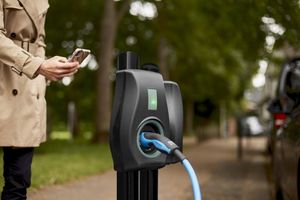
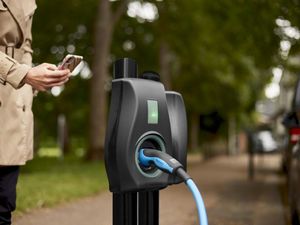
The LEVI-funded programme will deliver a major roll-out of on‑street, car park and community‑based EV chargers.
It will also include a concession contract with an appointed Charge Point Operator, meaning the council will not need to invest its own capital or cover operational costs, along with significant private‑sector investment, alongside the Government grant.
The council said the scheme will deliver "a new, reliable and fully maintained network designed to benefit residents, businesses and visitors".
It said the concession model ensures the Charge Point Operator will install, operate and maintain the charge points for the full contract term, while the council will receive an annual concession fee and a share of charging revenue as usage increases over time.
In addition to the LEVI programme, Shropshire Council said it has secured £133,780 from the EV Pavement Channels Grant.
The money will enable the installation of approved pavement channels – specially designed grooves that allow charging cables to run safely from a resident’s home to their vehicle parked on the street outside their home.
It said the initiative will help households that would otherwise be unable to charge at home, particularly in areas with rows of terraced housing or limited private parking.
Rob Wilson, Shropshire Council’s Cabinet member for transport and economic growth, said: “This is a major opportunity to give residents fairer access to electric vehicle charging, reduce carbon emissions and prepare our county for the future. By drawing on Government funding and private investment, we can deliver a large-scale network at no cost to the council’s capital budget.
“If we didn’t take up this opportunity, Shropshire could fall behind other areas. Instead, we are ensuring that our communities, including rural and hard-to-reach areas, are fully supported in the transition to cleaner transport.
“Transport accounts for a significant share of carbon emissions. By improving public access to EV charging and supporting more residents to switch to cleaner vehicles, the programme will play a key role in meeting Shropshire Council’s climate and sustainability commitments.
“Importantly, many rural and lower‑income areas in Shropshire lack sufficient charging options. This programme aims to ensure that all parts of the county can benefit from the shift to low‑carbon transport.”
The first installations are expected to begin in 2027, continuing to 2030/31.