West Midlands Ambulance Service to get 23 new vehicles after multi-million pound investment from Government
A multi-million pound investment from the Government will see 23 more ambulances added to the West Midlands' fleet in the coming months.
Patients in the West Midlands will see the number of ambulances on the frontline rise by 5 per cent.
The latest additional funding from the Department of Health and Social Care will see West Midlands Ambulance Service's (WMAS) frontline fleet rise by 23 to 500 vehicles.
In addition to diesel ambulances, the trust will receive eight fully electric ambulances by the end of March.
The expansion is part of a wider investment that will see 142 vehicles added to the fleet by the end of March 2026. Of these, 87 have already been delivered.
Alongside increasing capacity, the trust said the investment also supports WMAS’s commitment to sustainability.
A spokeswoman for WMAS said: "West Midlands Ambulance Service operates one of the most modern ambulance fleets in the UK.
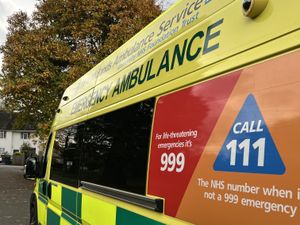
"The additional vehicles support the trust’s long-standing five-year replacement cycle for frontline ambulances, helping crews have access to reliable, modern vehicles equipped to provide high-quality patient care.
"The service was the first ambulance service in the country to trial electric ambulances in 2020."
WMAS CEO Anthony Marsh said: “This investment means more ambulances on the road, more capacity for our crews and faster help for patients when they need us most.
“Every vehicle plays a part in saving lives, and increasing our fleet strengthens our ability to respond to emergencies across the West Midlands.
“We’re also proud to continue investing in modern and electric vehicles, supporting both our staff and our commitment to a greener NHS.”
Earlier this month it was revealed that the ambulance trust had received £23 million from NHS commissioning organisations to pay for delays spent waiting outside hospitals.
A dispute between WMAS and integrated care boards across the region had lasted for months and led to a delay in the signing of contracts, but a mediator settled on a figure of £23 million, confirming a report published in the Health Service Journal (HSJ) on December 17.