More than one in five patients waiting more than 12 hours in Shropshire A&E departments, figures show
More than one in five patients face waiting for more than 12 hours in Shropshire’s acute hospital emergency departments, figures show.
As chiefs at the Shrewsbury and Telford Hospitals NHS Trust (SaTH) prepare for the inevitable winter surge, data recently released shows that more than a fifth of patients were waiting 12 hours in emergency departments at the height of summer.
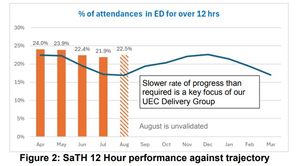
In August the proportion of patients waiting 12 hours in the emergency department after arriving rose marginally to 22 per cent from 21.9 per cent in July, a recent meeting was told.
Leaders at SaTH have apologised to the public for the long waiting times and say they are working hard to support patients.
In other areas such as elective care they are seeing reductions in waiting times but urgent and emergency care remains a big problem as the county’s NHS prepares for winter.
Figures shown to a recent NHS Shropshire, Telford and Wrekin (STW) board meeting show that in April nearly one in four patients (24 per cent) were waiting for more than 12 hours. Since then, the proportion of people waiting that long had been falling each month until August.
Ned Hobbs, SaTH chief operating officer, said more beds are coming later this year.
And chiefs will also be aiming to improve the time it takes for patients to be safely discharged.
Mr Hobbs said: “We recognise and are very sorry that some of our patients are waiting too long in our emergency departments.

“Our staff continue to do everything they can to support patients’ care, dignity and comfort whilst they wait.
“This winter we are introducing a number of improvements so patients can access emergency care more quickly.
“This includes opening 56 additional inpatient beds at Royal Shrewsbury Hospital and 40 acute assessment spaces at Princess Royal Hospital, and we expect to see the impact this winter.
“We are also working with our partners to improve access to urgent care and support safe and timely discharges from hospital.
“This will further reduce waits for ambulances and hospital admissions to provide a better experience for our patients.
“We would like to thank our staff for their continued dedication and care for patients under the significant pressures we continue to face.”
An NHS STW board meeting last month was told that urgent and emergency care is still an area "of most significant challenge”.
“It is a direct result of the crowding in our emergency departments, which in turn is a product of too many arrivals and insufficient exit flow; not just admissions, discharge or transfer."
The board was told that about 60 per cent of 12-hour waits are for inpatient beds, with around 20 per cent routed to ambulatory or short stay settings; and the remainder are either discharged or transferred to other locations.
Recent meetings have been told that SaTH has seen improvements in elective and cancer care lately.
In elective care this includes reducing the number of people on waiting list by almost 30 per cent in the last year, eradicating 65-week waits, and cutting 52-week waits by 90 per cent while carrying out a record number of operations in July.
In cancer care SaTH’s performance in the 28-day faster diagnostic standard was the best for 18 months, and it has been de-escalated out of NHS England tier one oversight to tier two.
In diagnostics SaTH saw the best six-week waiting performance in five years and its oversight rating has been reduced.