Shropshire health leaders apply to come off NHS England’s oversight ‘naughty step’
Health leaders in Shropshire are applying to be released from what one board member described as ‘the naughty step’ of ‘robust’ NHS England scrutiny.
The county’s integrated care board (ICB) has been under monthly oversight by national NHS managers since July 2021 because of issues in finance, workforce, urgent and emergency care, governance, and leadership.
A meeting this week heard that there has been “substantial and sustained progress” in all areas but it is seeking exit based on the “improvement delivered in 2024-25”.
The board was told that NHS Shropshire, Telford and Wrekin (NHS STW) was in the top five most improved systems for category 2 ambulance response times, and that is “ongoing” in 2025-26 with reducing average ambulance handover times.
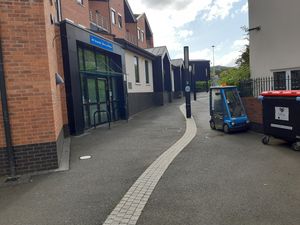
“Noted improvements” are also being seen in emergency departments although waits of more than 12 hours “remain high” at more than 20 per cent of patients.
Dr Deborah Shepherd, the clinical director of the South West Shropshire Primary Care Network, told a meeting that formally exiting the national Recovery Support Programme could be a “double-edged sword” because of the loss of resources that it would bring with it.
“As long as I have been associated with the board we have been on the naughty step,” she said.

Speaking at a board meeting of the NHS Shropshire ICB Dr Shepherd asked whether the organisation has the capacity and urged that it did not take its “foot off the pedal”.
The board was told that the local ICB will continue to benefit from the support to “enhance leadership capacity and capability locally” even as it goes into a new ‘cluster’ with Staffordshire and Stoke-on-Trent.
A report presented to the board identified three ‘risks’ in the process, including that it might be “unable to sustain a culture of strategic collaboration and partnership working and secure priorities”.
There is also a risk of “not achieving underlying financial balance” and that the “improvement delivered by the system is not sustained”.
But, on the plus side, it may also improve the ICB’s ability to attract and retain staff in the future.
The board was told that the ICB received a “compliance certificate” in July 2025 after having its formal undertakings removed.
Background papers to the meeting on Wednesday (September 24) said that the ICB has been working closely with the regional team at NHS England and has “received support to submit a request to the national team to exit RSP.”
The possible exit was due to be discussed at a regional meeting today (Thursday, September 25) and then a national meeting tomorrow.