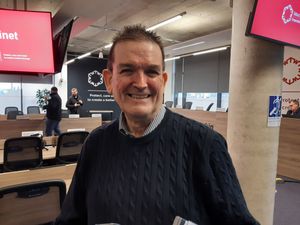
Brexit: Medicine supplies secure, insists Shropshire health chief
Health bosses say there are no local medicine supply issues in the wake of advice issued by the Government as preparations are made for Brexit.
A briefing note to Shropshire Clinical Commissioning Group’s governing body, which was issued by its chairman Dr Julian Povey, said Health Secretary Matt Hancock has written to all CCGs advising of the Government’s preparations for Brexit, particularly if no deal can be reached.
It said the Government has instructed pharmaceutical companies to ensure they have an additional six weeks stock of medicines on top of their usual supply.
Hospitals, GPs and pharmacies have been told they do not need to stockpile medicines beyond usual levels.
The briefing note said GPs do not need to write longer NHS prescriptions and any incidence involving over-ordering of medicines will be investigated.
It continued: “No current risks have been identified in relation to local supplies from the pharmaceutical industry and as such the CCG’s business continuity plan is in place and up to date should an incident arise.”
Speaking earlier this month, Mr Hancock said the Government was prepared to compensate pharmaceutical companies for the extra costs involved.
Contracts
“The medicine delivery to the hospitals should continue unhindered,” he said. “Their existing contracts need to be fulfilled. The task is for the pharmaceutical companies to ensure that enough supplies are available to ensure that can happen.
“That means stockpiling in the case of medicines that come over the land border but it also means, in some cases, being prepared if necessary to switch the supply from land to air, so that we can fly in, for instance, the very short shelf-life medicines.”
When pressed on whether the Government will reimburse companies he added: “We are talking to pharmaceutical industry about what extra costs the Government will cover.”
Asked if the potential costs included refrigerating insulin supplies he said: “We are open for a conversation in that space. We won’t pay for the drugs themselves, because they will be then sold on to the NHS, and so we not going to pay for them twice, but we are talking to the pharmaceutical industry about the extra costs that they might have to incur in that eventuality.”