
Dry weather creating 'extreme outcomes' for Shropshire farmers, facing down worst drought since 1976
"Obviously everywhere's very, very dry," says pedigree sheep farmer Edward Garratt, pointing at the view from the grassland which stretches away from his grazing land in the foothills of the Wrekin, all the way to north Shropshire and beyond.
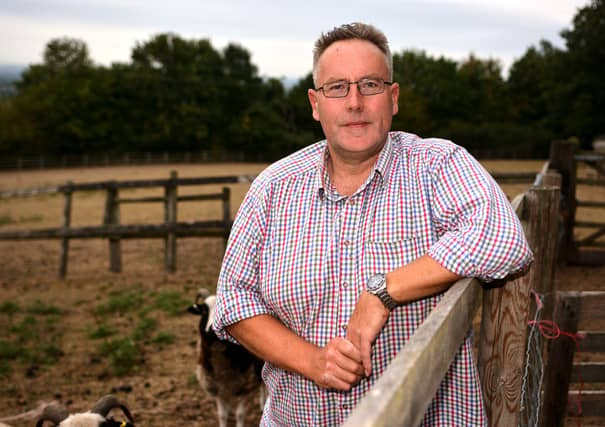

"I've had no grass regrowth since hay time, and my silage and haylage crops were around 25 per cent of where they should have been.
"It's a real gamble at the moment, who'd be a farmer?"
It's a question which may be on the mind of many of the county's beleaguered farmers, currently facing down the county's driest start to the year for fifty years.
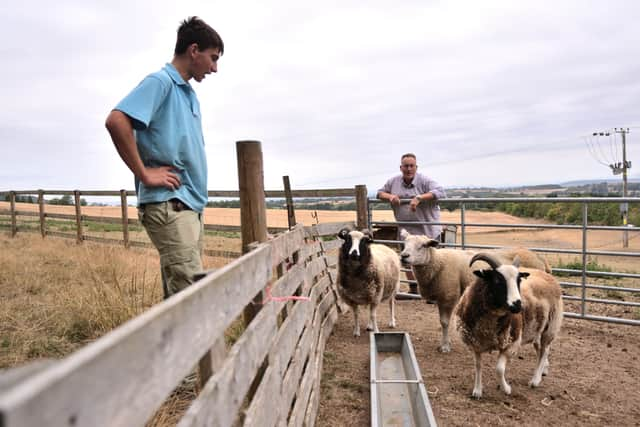
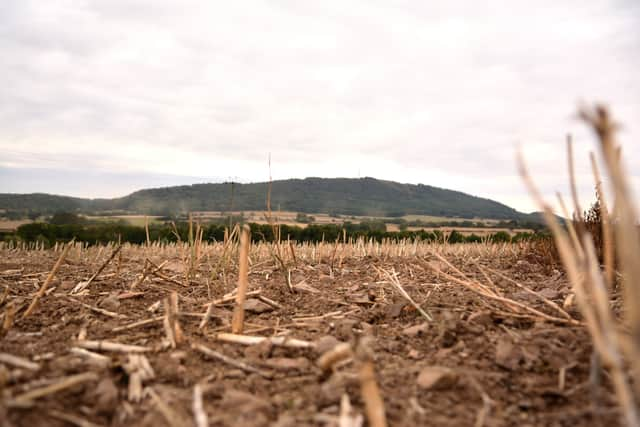
The normally verdant fields of Shropshire are inked in a muted palette of yellow and brown, while huge farm reservoirs, close to overtopping in January, now sit virtually empty, as supplies have been rapidly drained for irrigation.
This spring was the driest in England in 132 years, according to experts at the UK Centre for Ecology & Hydrology, with no immediate end in sight.
What began as a so-called "flash drought" in the North West of England has now evolved into something much more serious, with Yorkshire, the East Midlands and central and southern parts of the country all declaring themselves as being officially in a state of water shortage. The West Midlands was added to the list in July.
Extreme weather is now creating extreme outcomes for farmers - with the challenges varying dramatically from farm to farm.
For the county's beef, sheep and dairy farmers, that means dwindling stocks of hay and silage to feed their animals, with the added costs attached to having to bring in extra feed chipping away at already thin margins.
For arable growers, unable to plant their usual winter crops in powder dry fields, a gamble awaits for when the rain finally does arrive.
"The ground is currently too dry to plant next year's crops in. What's the point of planting a wheat seed now, into powder dry soil, if it's just going to sit there?" said Mr Garratt, also a county adviser for Shropshire at the National Farmers' Union(NFU).
"My haylage crop was 25 per cent of where it was last year. Luckily, I've got enough from last year left over but others will be in trouble and people are having to buy in forage already into their silage.
"For the dairy farmers who are feeding silage now, when the cows would normally be out, the silage they've got in is less than they'd normally get and they're feeding it two months earlier than usual, and that's a real concern.
"From a crops point of view, unless the ground has been irrigated then crop yields are way down. It's the worst that I can remember."
The River Severn catchment received only two-thirds of the rainfall it normally does in June, and while July was the wettest month of the year since January, three-month cumulative totals were classed as below normal or lower in more than two-thirds of England's hydrological areas - with rainfall totals in the Severn and Wye catchments classed as "exceptionally low" by the Environment Agency.
The knock-on effects may soon be felt on supermarket shelves.
Some farmland hasn't been this dry since the drought of 1976, which pushed up food prices by 12% nationally.
Earlier this month, a “nationally significant incident” was declared by the country's national drought forum, made up of officials from the Met Office, government, regulators, water companies, the NFU, Canal & River Trust, anglers, and conservation experts.
Meanwhile, the National Farmers Union welcomed government plans to speed up the building of new reservoirs, and called for "significant" government investment in on farm water infrastructure to help farms survive future droughts.
The NFU has also called for planning reforms to help farmers build lagoons more easily.
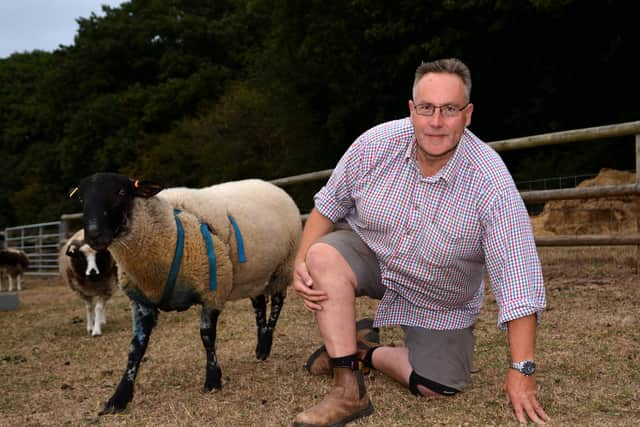
"It's something we may have to look at going forward, and are we going to have to look at planning regulations on water storage," added Mr Garratt.
"But it's easier said than done. Obviously there's a tremendous cost in putting in irrigation lagoons and obviously all the red tape to go through, with so many regulations.
"Farmers with irrigation rights are now having them cut down again and if we don't get some rain soon then they may be cut even further, so there's an ongoing concern and the problem is a few days rain isn't going to recitfy it. It's dry a long way down."
NFU Vice-President, Rachel Hallos, said there was "growing concern" about the months ahead for the nation's farming industry - and called for greater investment in the nation's water infrastructure.
"Minimal grass growth means many livestock farmers are already tapping into winter feed stocks, raising the risk of higher production costs later in the year," she said.
"Access to clean, reliable water is essential for food production. What’s worked well during this drought has been early, coordinated communication with stakeholders around licence restrictions and drought permits and orders and it’s crucial this continues.
"To avoid the swing between extreme drought and flooding and to secure water supplies for food production, we urgently need investment in water infrastructure and a more effective planning system."
In January, the NFU described proposed government changes to the national planning policy framework as "disappointing", adding that agriculture was "waiting for reform, while farmers struggle to get the most basic planning applications approved."
If more extreme dry weather is to become the norm, further changes to planning policy may yet provide a future solution for farms with cash to spend on costly irrigation lagoons.
But for others, and for the nation's thousands of food producers, farming will remain a gamble with increasing stakes, and decreasing rewards.
Comment Guidelines
Iconic Media encourages reader discussion on our stories. User feedback, insights and back-and-forth exchanges add a rich layer of context to reporting. Please review our Community Guidelines before commenting.