Data showing antibiotics fall needs close study
A fall of 18 per cent in sales of all antibiotics used to treat UK farm animals last year, and 29 per cent in sales of highest priority critically-important antibiotics, is welcome.
The new data released by the Veterinary Medicines Directorate in its 2017 Veterinary Antimicrobial Resistance and Sales Surveillance report means that sales of veterinary antibiotics for use in farm animals have fallen by a total of 40 per cent since 2013, and now sit at 37mg per kg.
The VMD’s surveillance programme also shows that resistance to antibiotics in bacterial isolates taken from food-producing animals remains low for most antibiotics, and is absent for others.
While I praise the hard work undertaken to reach this point, with the UK one of the lowest users of antibiotics for farm animals in Europe, there is lots more to do in driving responsible use while safeguarding animal health and welfare and food safety. Engagement with efforts to improve data collection remains a key part of this.
Because a large percentage of products are used to treat multiple species of animal, figures for actual use by species, on farms, are critical to understand patterns in individual sectors. They are also needed to help those sectors to monitor, improve and get recognition for their achievements – and to meet their 2020 antibiotic use targets.
Most of the reductions over the past few years have come from first the poultry meat sector, then pig and game bird sectors, which have all released comprehensive usage figures covering almost all their producers.
Smaller datasets are being accessed for dairy and beef – a big step forward – but national data on these sectors remains harder to capture due to their more diverse supply chains, the large number of producers involved and greater prevalence of mixed enterprise operations.
This means we can’t be sure of how representative the figures are. For example, antibiotic usage figures in the 2017 VARSS report indicate that dairy cows fell from 26mg/kg in 2016 to 17mg/kg in 2017. This is based on one large dataset of veterinary practice prescriptions – the best we currently have – but we must be mindful that because this database covers 31 per cent of dairy cows, it may not be typical of the whole dairy sector.
Recent studies have also suggested that while few antibiotics are used in the best dairy operations, a small number of farms could be responsible for a large portion of use. Improving the quality of data collection can only help us better understand where we really are, and inform and advise those who need to change their practices.
Similar issues have arisen in beef cattle with the relatively small dataset in the 2017 VARSS report suggesting antibiotic use at 19mg/kg, whereas it was previously considered to be lower. A wide range across different types and stages of beef production is likely, but we won’t know unless we have meaningful national data from producers themselves.
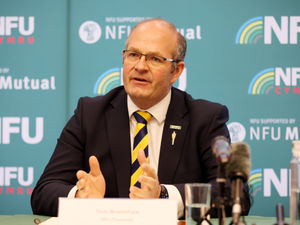
Gwyn Jones chairs RUMA, the Responsible Use of Medicines in Agriculture Alliance.