Output for dairy farms is on the rise across the world
For as long as I have been tracking the production of milk across the world, output has, with the odd exception, increased year on year, writes John Sumner .
In spite of market volatility and variable weather, global milk production increased by about two per cent in each of the last couple of years, and the signs are that the increase will continue.
According to recently published reports from the International Dairy Federation, it wasn't all plain sailing. At the start of that period, the world market had been strong, but then the downturn in the global economic situation began to put pressure on dairy product prices on the world market.
As prices fell, cereal and soya bean meal prices soared! To add to the problems, there was deteriorating weather in some parts of the world. Russia, Southern Europe and the United States suffered drought, while humid conditions in the summer and autumn in parts of Western Europe affected production. Yet in spite of all that, total world milk production increased, as did the output for every kind of dairy product.
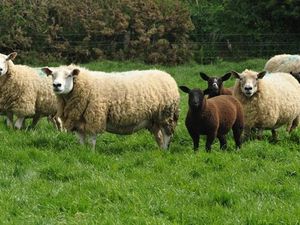
Most of the world's milk comes from the good old dairy cow, currently representing some 83 per cent of total world output. Nationally, fortunes differed, North and Central America grew strongly while growth slowed in South America. The EU overall presented global stability, although at the time of the review, production was down in France and the UK. Interestingly, cow milk production is growing most strongly in Asia and surprisingly in Turkey. Buffalo milk production amounts to about 13 per cent of total world production, but almost all of it is produced in India and Pakistan. Milk from goats and sheep, not forgetting that camel milk is important in a few countries, make up the rest.
Reassuringly, as world production continues to increase, so does consumption of milk and mild products. Over the last seven years, global per capita consumption has grown by eight per cent. Asia is the most important consuming region with over 40 per cent of total world consumption compared for example, with the EU at 27 per cent. However, this reflects an increasing geographical imbalance between production and consumption of dairy in the world.
All the forecasts are relatively positive in that continued growth in production and consumption is foreseen. Very importantly for the UK, due to the geographical imbalance in production and consumption, an increase in world trade is envisaged. Such long term positive prospects for dairy products have strongly stimulated investments in the global milk industry.
So what does all this mean for UK and Shropshire dairy farmers? The global demand for dairy products is clearly getting stronger, and there is no reason I can see why the UK industry doesn't get a share of the cake.
The UK dairy farming industry is well structured and highly skilled, and it is able to cope with price volatility and variable weather, which will follow as surely as the "cows will keep coming home".
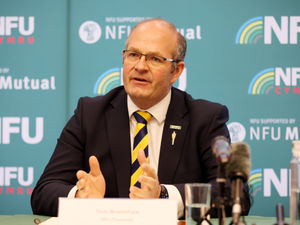
John Sumner is secretary of Shropshire Chamber of Agriculture