Still a great deal of business done at market
The flag is raised and flying at The Ox Pasture and it's market day at Ludlow. writes farmer Clive Davies.
It isn't certain that this tradition occurs at any of our other regional livestock centres, but one thing is sure, we are well served by a goodly number of operations around the West Midlands area.
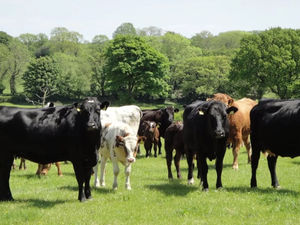
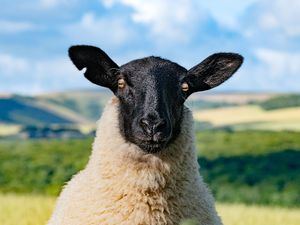
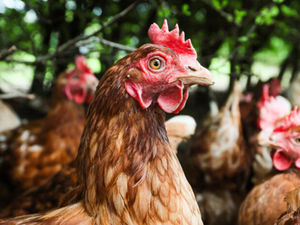
Whether they be the more recent developments of Hereford or Shrewsbury or at the historic sites such as Leek, there is still a great deal of business achieved week-in week-out. All classes of stock from a top pedigree bull or high-yielding milker, from a classy pen of store lambs to a clapped-out aged ewe, or a pig or trio of hens and a goat, they can all find a new home as they will have done for centuries.
Auction sales around our parts have been popular for well over 150 years. Today's operators will advise that they can provide for a competitive trade, to a wide selection of buyers and assure the would-be vendors prompt payment. This has always been the way.
Our predecessors would notice little difference in sale day, other than perhaps some alternative sorts of breeds and types, the use of some highly technical information display boards, the size of the hauliers' trucks and the fact that a grand entry of finished animals can all be sold to relatively few buyers.
Is the livestock market outdated? It does have its critics. They might argue about animal health and welfare. Should the stock be loaded and unloaded several times and driven around the pens and totally humiliated because few really want to buy the beast with such an unlevel topline and so many splits in its ears because of the tags not wishing to stay in?
Well, with regards offering minimal stress levels, less contact with other animals and the chance of lower disease spread they may be on to a fair point. For finished stock, straight to slaughter is indeed the preferred option for some folk. They quite like the direct nature of trading to the end user.
But a goodly number of farmers like a deal and pitting their talents of stock raising against their fellow producers. Also, the competitive nature of the buyers is all part of the job. But when it comes to store or breeding stock, clearly the markets come into their own.
For a start if you have a farmer selling who wants a bit more and a farmer buying who certainly doesn't want the old adversary to go one better, well you have the ideal scenario for any auctioneer operating from the rostrum.
Clearly the auction mart is at its best at the other end of the spectrum. The situation of the not-so-attractive being able to find a home.
To expect the local agent to find a home for them all, farm to farm may be optimistic, but to put them through the monthly store sale where there will surely be several takers for all the shapes and sizes, well that's the beauty of market day.
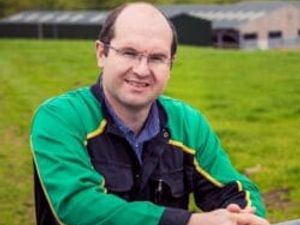
* Clive Davies runs a pedigree herd of Hereford cattle and an award-winning flock of Shropshire sheep