Stores using lamb as a cash cow
You don't need to possess a particularly long memory when it comes to supermarkets being economical with the truth, writes our Rural Affairs Editor Nathan Rous.
 You don't need to possess a particularly long memory when it comes to supermarkets being economical with the truth, writes our Rural Affairs Editor Nathan Rous.
After all, the OFT only recently dished out record fines to a long list of the big guns after it found that retailers and processors illegally exchanged information on the price of milk, butter and cheese in a scandal that cost consumers around £270 million.
Sainsbury's coughed up £26 million while the likes of Dairy Crest and Robert Wiseman will eventually dig deep for around £15 million between them. So you would assume that everyone has learned their lesson from this obscene price-fixing and collusion.
Unfortunately the world according to Sir Terry Leahy and Justin King is not quite the same one that we inhabit. In their world, the shopper is a walking pound sign with only a pocket of air between the ears.
While in many ways the consumer has done nothing to shake this misapprehension, the signs are there for all to see, many in flashing neon, that the tide is beginning to turn, that we cannot always trust the retailer.
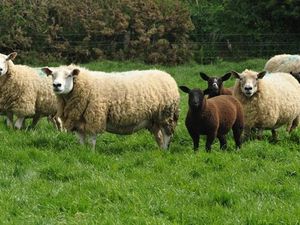
Take the horribly depressed sheep sector. Most farmers would be lucky to get more than £30 per lamb once they have paid their commission because, according to the supermarket buyers, there is too much lamb on the market and so prices are inevitably depressed.
So why is there no change on the supermarket shelf? Why is lamb as expensive as it always has been, in some cases more so?
For years farmers have battled with supermarkets; not particularly over the shelf price but over the fair distribution of the money that exists within the chain.
There is some room for maneouvre, as we found out when the public began smelling a rat over the milk price, but the Leahys and Kings don't want to part with it.
But you have to ask why prices are particularly depressed this year more than any other. And here you'll discover the supermarkets' influence once more. For they simply bought too much lamb from New Zealand in the spring and flooded the market.
Add the foot-and-mouth debacle and the bluetongue outbreak into the bargain, which resulted in lamb destined for export staying on home soil, and prices hit rock bottom.
Yet stubbornly the shelf price refused to budge. Indeed, in some cases it even went up.
The problem is that the average shopper knows no better. They wander round the aisles batting their children's hands off the sweets and crisps, hurling whatever they see into the trolley without giving the welfare or traceability a second thought.
To them, lamb has always been expensive. To them, milk has always been cheap. But education is everything. The supermarkets were forced to give farmers a better price for their milk because we demanded it.
The uprising was enormous and, for once, consumers bared their teeth. Yet should we really expect the consumer to do this every time there is a discrepancy? Should we really have to be holding debates up and down the country when the very least we should expect from the multi-million-pound corporations is honesty and transparency?
Farmers' Union of Wales president and Newtown sheep farmer Gareth Vaughan doubts it. He said the average price paid to sheep farmers fell by 49p per kilo between August 3 and October 20 while consumers paid 21.9p per kilo more.
"Within days of the foot-and-mouth outbreak I warned the Competition Commission's inquiry into supermarkets of my concern that there would be a dramatic fall in farm gate prices which might not lead to reductions in supermarket shelf prices," he said.
"Now the latest prices being charged by the supermarkets indicate that my suspicions have come true. Once again the supermarkets are cashing in on the crippling losses being faced by farmers struggling from the aftermath of the export ban and livestock movement restrictions imposed during the outbreak."
Consumer body Which? called for retailers to restore consumer confidence. It said: "It is shocking that consumers have been ripped off by the businesses they trust. Consumers will be asking, what next?"
Well, don't expect too much. Dairy Crest shares leapt seven per cent after news of its settlement with the OFT as investors reacted with relief that an agreement had been reached. Talk about adding insult to injury.