'Fake toys, real harm' - Five ways Christmas shoppers can stay vigilant against counterfeit goods this festive season
As Christmas approaches, parents and gift-givers face a hidden danger lurking on shop shelves and online marketplaces: counterfeit toys.
According to the Royal Society for the Prevention of Accidents (RoSPA) and the Intellectual Property Office (IPO), thousands of unsafe toys are slipping past shoppers each year – and almost 90% fail safety tests. Behind the shiny packaging can lie choking hazards, sharp edges, and toxic materials that put children’s safety at risk.
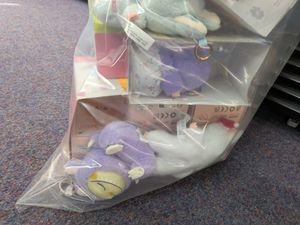
So far this year, more than 800 fake Labubu dolls seized in Penkridge as council warns of 'dangerous' fake traders. Sandwell Council also issued a child safety warning after counterfeit toys including Labubus, K-Pop Demon Hunters, Marvel, Pokémon and Disney merch were seized from shops in the area.
And Shropshire has also seen a number of seizures with nearly 300 fake Labubu dolls were found in shops across the county earlier this year.
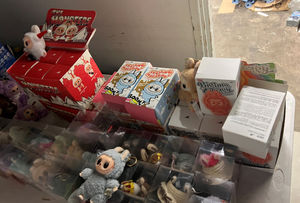
To help families protect themselves, RoSPA and the IPO have launched the “Fake Toys, Real Harms” campaign, highlighting the serious dangers of counterfeit toys and offering practical advice for safe Christmas shopping.
Here’s how to stay vigilant and ensure your gifts are both fun and safe:
1. Buy from Trusted Retailers
When it comes to toys, sticking to reputable stores is key. Avoid unfamiliar websites, social media sellers, or auction platforms where counterfeit goods are more common. Established retailers are more likely to source products that meet UK safety standards.
2. Check for Safety Marks
Look for official safety markings, such as CE or UKCA symbols, especially on electrical toys. These marks indicate that the toy has been tested and meets regulatory safety requirements. Missing or fake labels are often a red flag for counterfeit goods.
3. Be Wary of Prices That Seem Too Good to Be True
If a deal seems unbelievably cheap, it probably is. Counterfeit toys are often sold at a fraction of the price of genuine products, but the cost to safety can be high. Trust your instincts and compare prices with official retailers before buying.
4. Inspect Packaging and Instructions
Carefully check for poor spelling, blurry logos, or missing instructions – all common signs of counterfeit products. Genuine toys usually come with detailed, clear packaging and comprehensive instructions that include safety warnings.
5. Report Suspicious Goods
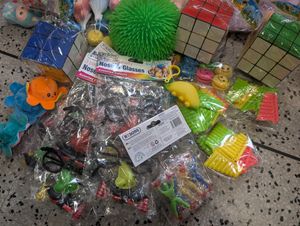
If you suspect a toy is counterfeit, don’t ignore it. Reporting suspicious products through official channels helps Trading Standards and enforcement agencies remove dangerous items from circulation, protecting other families from harm.
You can report fake toys to Trading Standards by contacting your local council’s Trading Standards department or using the national Citizens Advice consumer service online or by phone.
Why This Matters
IPO research shows that nearly half of people who purchased counterfeit toys reported safety concerns, including toys breaking instantly, unsafe labelling, toxic smells, and even illness in children. With an estimated £350 million lost to fake imports annually, the problem affects both families and legitimate businesses.
Adrian Simpson, Head of Policy, said: "Counterfeit items present a clear risk to consumers looking for toys this Christmas. These goods look convincing, but can pose serious dangers, putting families at real risk."
"We’re committed to working with government and other organisations to tackle counterfeit goods and protecting consumers. Counterfeit goods are not just a financial scam, they are a safety threat, so RoSPA urges everyone to buy smart and stay safe this Christmas. The promise of a bargain is not worth risking children’s safety for.”
The IPO’s Deputy Director of Enforcement, Helen Barnham said: “With counterfeit toys, what you see is rarely what you get. Behind the packaging can be hidden choking hazards, toxic chemicals and faulty parts that put children in real danger. These products have bypassed every safety check the law requires, which is why we’re working with our partners to keep these dangerous fakes out of UK homes.”
“Our ‘Fake Toys, Real Harm’ campaign aims to raise awareness among parents and present buyers of the hidden harms associated with counterfeits. Child safety must come first, so we’re urging parents – please don’t let your child be the tester.”
By following these five steps, shoppers can make safer choices this holiday season and help prevent the risks associated with counterfeit toys. After all, nothing should ruin Christmas like a dangerous gift.