
Rape-accused Jay Blades is latest defendant facing court delay but Shrewsbury judge has been decrying backlog for years
A Shrewsbury judge apologised to TV presenter Jay Blades for the fact his rape trial will not be heard for two more years - but said he hoped the delay would at least highlight an issue he has been complaining about for years.
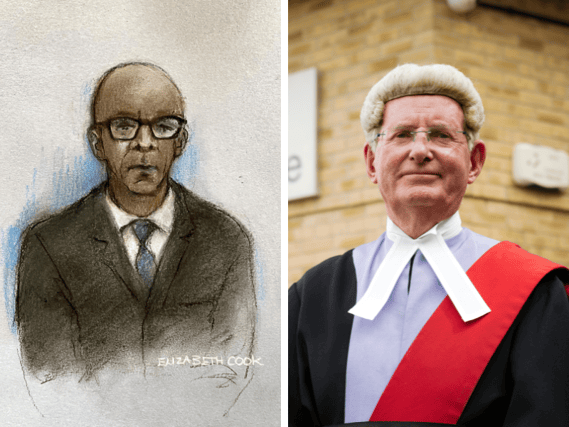


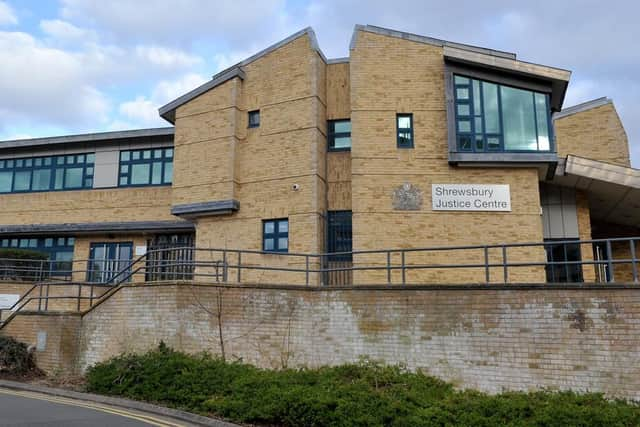
Judge Anthony Lowe, the Resident Judge at Shrewsbury Crown Court, apologised to Blades for the delay in his case, as he has been apologising to defendants for the past six years for the long waits they face.
Blades, 55 and of Claverley near Bridgnorth, denies two charges of rape and appeared at Shrewsbury Crown Court on Wednesday (September 10) by video link.
The case was adjourned for trial on September 20 of 2027 - more than two years after Wednesday's hearing.
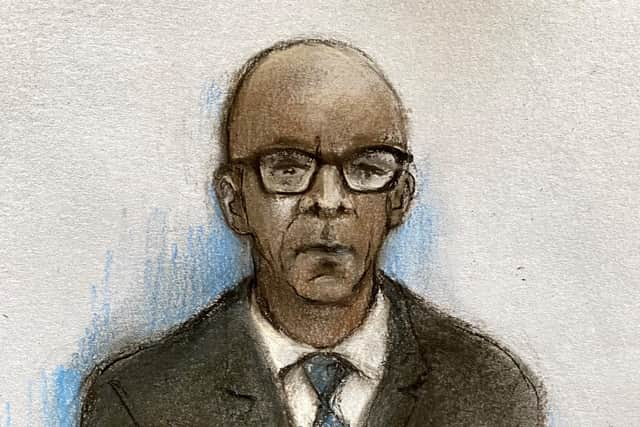
“I regret that," the experienced judge told Blades. "Not as much as you do but I do regret it. It is not a proper justice system where people are having to wait that length of time for their trial but I am afraid there is just nothing I can do.
“That, I am afraid, is just the state of where we are with outstanding trials.
"The reality is, perhaps with the press’s attention on this case, it will at least bring it more to the public domain – the chronic position we are in, in relation to the backlog.”
"Not a proper justice system" may sound drastic, but Judge Lowe has been speaking in similarly plaintive terms about the court backlogs and the impact they are having on the lives of victims, witnesses and defendants for years.
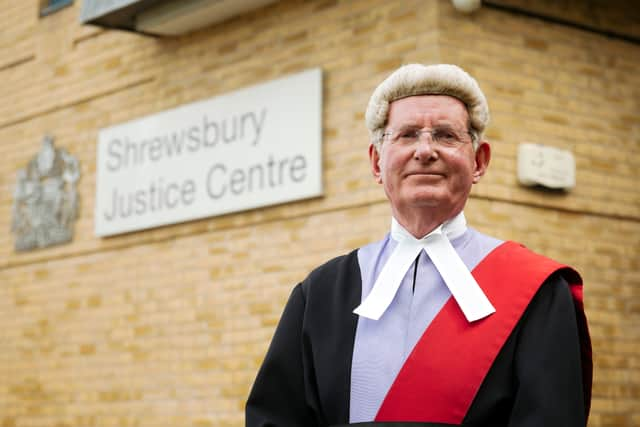
In April of 2019 he hit out after delays to a number of cases involving young people in his court.
"It is unreasonable for anyone no matter what they have done to have to wait such a long time," he said. "Nobody should have to wait for over a year to find out their fate, particularly somebody who is young.
"Their lives are put on hold. That is not the sign of a well run court system."
"Slow justice is poor justice," he said on that occasion. But justice in Shropshire was only getting slower.
In September of that year he railed against delays again, after a trial he said would have been "relatively straightforward" was pushed back to the following February because of the backlog, caused in part by some courtrooms at Shrewsbury sitting empty for days on end.
"It's not fair on defendants," he said. "Defendants are innocent until proven guilty. In every trial there are witnesses, they also have their lives put on hold.
"It's not a situation that our criminal justice system can be proud of. It's unacceptable.
“This is a justice system that is just breaking at every point – from the number of police, the number of CPS [Crown Prosecution Service], the number of court staff, the number of courts, the number of delays.
"Everywhere you look, our justice system is beginning to be not fit for purpose."
The then Her Majesty's Courts and Tribunals Service actually hit back at those comments by Judge Lowe, claiming that waiting times for cases going through the courts had actually fallen and that outstanding cases in the crown courts had reached their lowest level since the year 2000.
Even if progress had been made, the Covid-19 pandemic just a few months later set the clock back. Suddenly hearings could only proceed remotely using video technology, where they could proceed at all, and the backlog grew.
A report on the impact of the pandemic on England and Wales's courts and tribunals by the House of Lords Constitution Committee made grim reading: "Reduced funding for the justice system left our courts and tribunals in a vulnerable condition going into this period of crisis. Over the decade preceding the pandemic, Government funding fell significantly, legal aid budgets were radically reduced and court buildings were closed. These pre-existing challenges exacerbated the devastating impact of the pandemic on courts and tribunals in England and Wales."
The report continued: "The challenges of delivering courtroom-based justice during the pandemic has had a detrimental impact on the flow of cases through the courts and it may take several years before the backlog of criminal, family and employment cases returns to pre-pandemic levels."
That report was published in 2021, and long waits for trials stretched on in the years following the pandemic, even after lockdown restrictions were eased and courts could convene in person again.
Judge Lowe spoke out again after one young defendant accused of assault occasioning actual bodily harm went to university and completed a degree in the three years he spent waiting for his day in court.
In 2023 he was finally cleared of the charge, after the CPS dropped the case - but only after it had been in possession of the evidence for 18 months.
Judge Lowe, who heard that case, said then: "Nobody should underestimate the human cost, particularly for someone of good character, but it is not just reserved to good character; anyone who faces a criminal trial in the crown court and has had this hanging over their head.
"The offence itself goes back three years and the prosecution has had the material available for some 18 months or more to arrive at this decision.
"Whatever the excuse, I am afraid it is not good enough and perhaps some pressure ought to be brought on those who make decisions about recruitment.
"It is no longer about backlogs of trials or sentences, we are now having a situation where the prosecution are doing the best they can but some people are waiting for a trial and only when it is in for trial is the evidence looked at more critically."
Then in November of 2024 Judge Lowe made his feelings clear once more when a case that was already six years old was pushed further into the murk. A trial involving two defendants was scheduled for the following August, but only on a 'warned' list which meant it would not take priority and would be vulnerable to further delays.
He called it an "affront to justice” that people were waiting for so long to get their cases dealt with.
And just a few weeks after that trial was finally due to take place, Jay Blades became the latest defendant to experience Shropshire's court delays.