AI and skills investment - what will 2026 bring according to Shropshire's business leaders
What do business leaders think will be the big talking points over the coming year?
Skills, artificial intelligence, big construction and employee rights - these are just some of the key topics which business leaders say will be high on the agenda over the coming year.
In addition, they are predicting more record levels of air travel but a possible downturn in the over-reliance on technology.
The Shropshire Star canvassed the opinion of business leaders across the county to find out what their hopes, dreams and fears are for the upcoming 12 months. Find out what they said below.
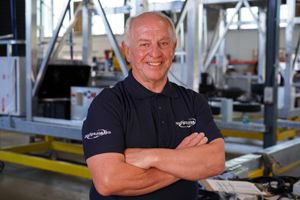
Graham Corfield is the chief executive of Telford-based aviation ramp manufacturer Aviramp.
He believes 2026 is likely to be a record year for air travel but the general economy will continue to flatline.
"The last year has set new records for air travel and I think that trend will continue in 2026," he said.
"The industry is starting to make a strong recovery from Covid and is now investing heavily in improving the passenger experience. Because we are a global business, we are insulated a little against the struggles of the UK economy.
"Unfortunately, I don't see many signs that things at home will improve greatly in 2026 and it could be a tough year for many businesses."
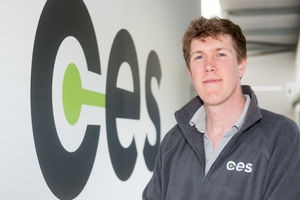
Joe Collison is the managing director of Shrewsbury-based renewable energy contractor CES and is predicting businesses will look to invest in measures which lower costs and carbon emissions.
He said: "The transition to renewable energy is already happening and faster than predicted. Companies delaying their energy infrastructure upgrades risk being left behind and with higher bills."
He added that the most significant impact of a move towards decarbonisation would be felt by companies with large energy consumption but which embraced integrated energy services such as care homes and manufacturers.
"These are the businesses that will thrive. We need to move beyond single-solution thinking and embrace whole-system transformation," he added.
Craig Hughes is a partner at Telford-based Chrisbeon Office Supplies which delivers office furniture to companies in the county.
"We hope 2026 brings meaningful investment in Shropshire's road infrastructure, with a particular focus on Shrewsbury," he said.
"The recently introduced traffic system has unintentionally increased congestion and journeys that should be straightforward now take significantly longer - raising both operational and fuel costs.
"Addressing these issues would make a tangible difference to local businesses and help strengthen the county's reputation as a great place to work and trade."
Tim Lloyd owns and runs quantity surveying firm CQS Solutions which has offices in Telford and Mid Wales. He is anticipating a growth in public sector building projects throughout the year.
"I think we will certainly see an increase in activity around some big ticket projects, such as new schools, hospitals and infrastructure, as the Government pushes investment," he said.
"The recent Budget certainly suggested that was atop of their agenda. At the same time, the deregulation of the planning system should see spades finally starting to go into the ground to build some of the promised 1.5 million homes during the course of this Parliament.
"But it all needs to be underpinned by a serious focus on building the skills and training the industry needs to develop a pipeline of talent. Without that, we cannot hope to develop the homes and infrastructure we urgently need."

Jon Hepburn is the founder of Wem-based marketing agency Fedora Consultancy and says 2026 will see a shift towards human-guided AI.
"Rather than handing the reins to technology, businesses will start to use it more quietly in the background, keeping judgement and accuracy more in human hands," he said.
"At the same time, trust will rise in importance. Buyers are becoming wary of polished claims without proof so genuine reviews, real customer stories and visible expertise will stand out far more than anything that only appears convincing.
"Another change already gathering pace is the way smaller firms shape their online presence. Instead of treating it as a shop window, more will use it to build a sense of community. It is a quieter, more thoughtful approach, but one that strengthens relationships and can set local businesses apart in a crowded market."
Sally Themans is the head of place with consultancy Good2Great in Bridgnorth which runs the Love Wellington and Love Bridgnorth initiatives.
She said high streets were now evolving and becoming hubs for social connection rather than just places to shop.
"While the business outlook remains challenging due to rising overheads and shifting consumer habits, a wave of strategic investment as well as targeted support programmes are providing a vital safety net," she said.
"Expert-led initiatives are currently at the heart of this transformation (and) Wellington serves as a standout example of this local optimism in action.
"The town is undergoing a significant transformation, anchored by a comprehensive refurbishment of the historic market (and) key landmarks like the former YMCA building. Despite the tough economic climate, 2026 holds promise for those who champion their local high streets."
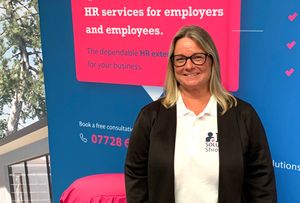
Ishbel Lapper owns Telford-based outsourcing consultancy HR Solutions Shropshire and said the new Employment Rights Bill would have a huge impact on small businesses.
"This bill is the biggest shake up of employment law for a generation and is going to change the rules of the game for employers," she said.
"In April, reforms to statutory sick pay, the introduction of day‑one rights to paternity and unpaid parental leave and new rights for trade unions are all expected to come into force.
"In October, employers will also face a new duty to take all reasonable steps to prevent workplace sexual harassment, including by third parties, among another raft of changes. Businesses need to get ready for the changes now or they could find themselves facing expensive action for being on the wrong side of the law."

Ruth Martin is the director of Oswestry-based agency Martin & Jones Marketing. She said the continued development of AI and how it was applied would be a major theme.
"We have already seen an explosion in the use of AI in the past 12 months and that will certainly continue as the technology advances," she said.
"It's fair to say businesses are still feeling their way when it comes to getting the most out of AI but the message is starting to get across that an over-reliance on it can damage marketing impact.
"I expect there to be significant developments in the way search engines recognise content which is 100 per cent AI generated and penalise it.
"As audiences start to tire of machine-built messaging, the traditional skill of building long-term relationships with clients will be more important than ever."
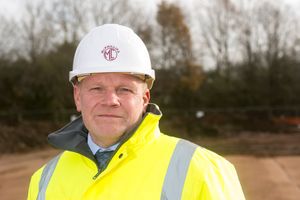
Paul Inions is managing director of civil engineering and building contractor McPhillips in Telford and says announcements around investment in infrastructure must translate into action.
"The sector faced a frustrating second half of this year with cost pressures, labour gaps and economic instability in the run up to the Budget but we are optimistic there will be growth," he said.
"We're expecting to see an upturn in private housing developments, infrastructure and commercial projects driven by the government's commitment to planning system reform and infrastructure investment.
"Funding for skills and apprenticeships means more companies can invest (but) to have confidence to commit, investment requires visibility of a pipeline of opportunity.
"We know skills investment delivers huge dividends but we have been frustrated by the slow progress made.
"While Shropshire may not directly benefit from the £13 billion West Midlands devolved funding, any major infrastructure investments will provide significant opportunities for developers, contractors and supply-chain businesses locally."
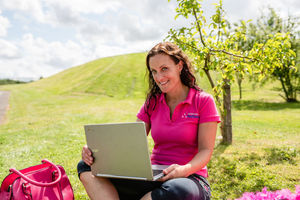
Beth Heath is the director of Shropshire Festivals which runs the Shrewsbury Food Festival and Shropshire Business Festival among others.
She is concerned that fewer events will be held locally in 2026 due to rising operational costs.
"Too often, the risk now outweighs the reward which means fewer celebrations for our communities," she said.
"That would be a real loss because events support so many livelihoods and bring vital income into the local economy. The trend I hope to see is the community getting behind local events.
"We will be championing other events within Shrewsbury Food Festival next year to help keep our region's creative spirit thriving and ensure Shropshire remains a wonderful place to live or visit."

Jon Simcock runs his own agency Simcock Communications and works with clients across Shropshire.
He is warning the county's SMEs to stay visible in 2026 if they are to weather a tough economic landscape.
"In a stagnant economy it's tempting to cut back on marketing and PR but that's a mistake," he said."Customers and clients will be more focused on seeking value from every penny they spend and if you are not on their radar, they won't be spending it with you.
"The year ahead will also bring wider use of AI in PR content. My bet is that audiences will tire of machine‑generated copy that all sounds the same and fails to capture a business's character.
"To stand out, businesses will need much more than ChatGPT to tell their story, build and strengthen their reputation and grow their share of the marketplace."

Helen Columb owns Telford-based Turas Accountants said the biggest change in self-assessment for a generation would have a huge impact on sole traders and landlords.
She warned that too many people were still not prepared for the new Making Tax Digital regime, beginning its rollout in April.
"This is the biggest change we have had in years to the way people submit their tax returns and records and it frightens me how many people still have their heads buried in the sand over it," she said.
"It will require anyone with a gross income over £50,000 from self‑employment or property to keep digital records and submit quarterly updates to HMRC using compliant software.
"It will then be extended to include those with a turnover of between £30,000 and £50,000 from April 2027 and those between £20,000 and £30,000 in April 2028. It's vital that anyone who falls within this framework takes steps as soon as possible to get ready. The clock is firmly ticking."

Ian Groves is managing director of Shrewsbury-based IT and cyber security business Start Tech and is predicting a rise in cyber security incidents similar to the recent attack on carmaker JLR.
"Supply chain risk will also move sharply up the agenda," he said.
"More businesses will be required to show clear evidence of robust cyber security before winning contracts which will make frameworks such as cyber essentials necessary, not optional.
"At the same time, AI will start delivering very real gains for small and medium businesses. Those that embrace it will see striking improvements in productivity, decision making and customer experience. The gap between those using it and those not will become impossible to ignore."

Hannah Hall is a director of hotel and conference venue The Wroxeter in Shrewsbury. She said November's Budget was not "especially business friendly" but felt it at least provided some clarity and enabled businesses to move forward.
"We're already seeing local companies begin to book meetings and conferences again which is extremely encouraging," she said.
"We're optimistic that 2026 will bring a full return of company away days, staff reward events and off-site meetings. It's shaping up to be an exciting year for the events industry."
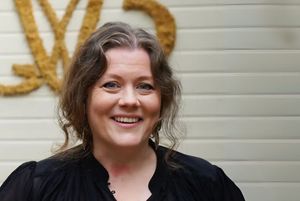
Jennifer Hughes is the general manager automation and control specialist Transicon in Telford.
She said she was hoping for more economic stability and increased positivity across the manufacturing sector to spark growth and innovation.
"We'd like to see the UK rise up the manufacturing league table when it comes to digitalisation adoption but that requires a more stable economic environment to allow businesses to plan and invest for the future," she said.
"We also need more positivity around manufacturing in 2026. We make amazing things here in the UK and we need more people to champion our industry.
"The government needs to start listening more to SME voices - understanding our challenges but also recognising the opportunities we represent as the backbone of the economy."