Foreign Office changes travel advice for 15 countries - what is latest guidance for Dubai, Egypt, Cyprus, Turkey?
The Foreign Office has changed its travel advice for 15 countries amid the war in the Middle East.
The Foreign Office’s advice is against all travel to Iran, Israel and Palestine. It also advises against all but essential travel to the UAE, Qatar, Kuwait and Bahrain, and there are further instructions to avoid travel to some parts of Pakistan.
British nationals in Saudi Arabia are advised to stay at home, while those in Jordan, Oman, Syria, Lebanon, Yemen and Iraq should take precautions given the heightened regional tensions. Loud explosions have been heard across the Gulf cities of Dubai, Doha and Manama as well as in Jerusalem on Monday as Tehran pressed into a third day of strikes.
On the UAE, which includes Dubai, the Foreign Office says: "Due to reported missile attacks, British nationals in UAE should immediately shelter in place. Remain indoors in a secure location, avoid all travel and follow instructions from the local authorities.
"Let the UK government know you’re in the United Arab Emirates register your presence if you’re in the United Arab Emirates for further updates. Regional escalation poses significant security risks and has led to travel disruption."

It further advises Brit holidaymakers to:
Read if you’re affected by a crisis abroad - GOV.UK. This includes guidance on “how to prepare for a crisis” with suggestions on what you might include in your emergency supplies and “what to do in a crisis”follow advice from the local authorities and sign up to receive information and alerts.
Read the National Emergency Crisis and Disaster Management Authority’s guidance across numerous emergencies.
Sign up to FCDO Travel Advice email alerts
Monitor local and international media for the latest information.
Stay away from areas around security or military facilities.
Keep your departure plans under review, and ensure your travel documents are up to date.
If you are advised to take shelter, stay indoors or find the nearest safe building or designated shelter. An interior stairwell or a room with as few external walls or windows as possible may provide additional protection
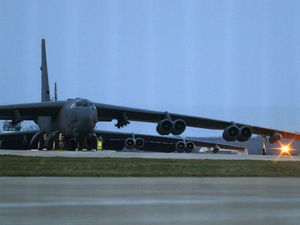
British forces are responding to a suspected drone strike at its military base in Cyprus, the Ministry of Defence (MoD) said on Monday, with no casualties reported. The Foreign Office says for Cyprus: "On 2 March 2026, the Sovereign Base Areas Administration confirmed a suspected drone impact at RAF Akrotiri.
"British nationals in the Sovereign Base Areas should follow instructions from the Sovereign Base Areas Administration British Bases Cyprus Facebook. British nationals in the Republic of Cyprus should follow any instructions from Cypriot local authorities." It does not advise against travelling to the destination.
There is no new travel update for Egypt however the Foreign Office does warn of regional tensions. It says: "There is a heightened risk of regional tension. Escalation could lead to travel disruption and other unanticipated impacts. British nationals should take sensible precautions, considering their own individual circumstances."
For Turkey the Foreign Office also warns about regional tension, and has added new information on entering Turkey across the land border from Iran. It says: "The border remains open visa-free for people travelling on UK or Iranian passports (for stays of up to 90 days). If you are a British national intending to cross the land border from Iran into Turkey, you must request facilitation from the British Embassy in Ankara by contacting the FCDO before travelling to the border.
"You must state which border point you intend to use and provide personal details (name, date of birth, details of travel document used to enter Turkey). Also indicate whether you are contacting from Iran or from the UK on behalf of a relative.
"The Turkish authorities advise that the Iranians have closed the crossing point at Esendere-Serow on the Iranian side to daily traders entering and exiting over the course of a day. The usual entry requirements will apply, including that British nationals can enter without a visa for up to 90 days in any 180-day period.
"If you intend to leave Iran overland, you do so at your own risk. In Iran, holding a British passport or having perceived connections to the UK can be reason enough for the Iranian authorities to detain you."