Wales’ visitor tax law goes to the King – then it will be over to Powys County Council to decide whether to use it
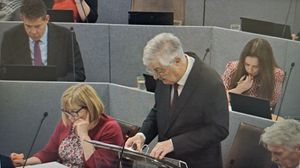
A new law allowing councils to tax visitors staying overnight in Wales has been agreed by the Senedd.
People staying in Welsh hotels could have £1.30 per night added to the cost of their stay if the plans go ahead.
Officials hope the tax will raise as much as £33m a year to support and improve tourist destinations if all authorities took it up, but businesses worry it might put visitors off.
The Welsh Conservatives vowed to scrap the tax if the party wins the 2026 Senedd election.
Plaid Cymru support for the legislation meant the Welsh Government had sufficient votes to get the law through the Senedd.
It will now be sent to the King for Royal Assent.
Even then, councils would not be required to bring in the charge, but they will have the power to do so from 2027.
So far Cardiff, Anglesey and Gwynedd have shown interest but some including Pembrokeshire, Wrexham, Caerphilly and Rhondda Cynon Taff have ruled it out.
Powys County Council said no decision has been made yet.
A spokesperson for Powys County Council said: “The council has not formally considered its position with regard to the visitor levy but will consult with residents and businesses before deciding whether to introduce it.”
Each council would need to carry out a 12-month local consultation before implementation, so the earliest the charge could apply is in 2027.
Local authorities could also decide after a year to increase the charges, in agreement with the Welsh Government.
Under the legislation, councils have to spend the cash on managing and improving tourist destinations.
Under the plans, those staying in hostels and campsites would pay 75p per person per night, while people staying in all other accommodation would pay the higher rate.
The charges are subject to VAT, while children under 18 will be exempt at hostels and campsites.
Senedd members debated the legislation for a final time on Tuesday (July 8), agreeing it should become law with 37 votes for and 13 against.
Finance Secretary Mark Drakeford said it was the first local tax for more than 500 years to have been designed in Wales.
"We believe it is reasonable for visitors to contribute towards infrastructure and services integral to their experience, as they do in so many other parts of the world," he said.
The Welsh Conservatives vowed to scrap the plans before they come into force, should they form a government after the next Senedd election.
Sam Rowlands said the levy would impact jobs and the economy by the Welsh government's "own admission".
"We believe it is bad for Wales and bad for the Welsh tourism sector which forms such an important part of the Welsh economy."

Plaid Cymru's Luke Fletcher expressed support, saying: "There is a genuine opportunity here for us to create a sustainable tourism sector that works with both our communities and the businesses that operate within those communities."
Accommodation provider Margot Porter of Ty Gwyn Farm, Llandrindod Wells said: “Like many accommodation providers, I am totally opposed to the proposed tourism tax.
“I don’t believe that Wales needs a tourism tax, here in Mid Wales we do not have too many visitors. Visitors contribute to the local economy, eating out, using the shops and visiting attractions. It is ridiculous to compare Wales to Venice and Edinburgh!
“It puts another burden on small business to collect the tax, particularly now Welsh Government has stated that the tax will be collected on departure. Most self-catering businesses are paid in full before arrival and we don’t always see guests when they leave.
“Some owners do not live onsite, even for those that do, it still means being there when guests leave. It is unreasonable to expect us be available to collect the tax on departure. Who will be liable if guests don’t pay? What if the guest does not have cash and the owner does not take cards? There is now an exemption for under-18s, will we have to age check these visitors?
“The tax will have an effect on our business, with people choosing to go elsewhere. A family of four adults will have to pay £36.40 for a seven-night stay, not an insignificant figure. It will be another barrier to maintaining guest numbers to meet the high 182-day threshold, already imposed on us.
“I would urge Powys County Council not to implement this policy as it will prove detrimental to many businesses in Powys. If implemented, I would seriously consider closing down the business.”