Plans for 200,000-bird chicken farm in Shropshire quashed by High Court as environmental campaigners celebrate
High Court quashes planning permission for 200,000-bird chicken megafarm in Shropshire as environmental campaigners celebrate
Environmental campaigners who took Shropshire Council to the High Court over the massive expansion of a chicken farm have managed to get planning permission overturned.
River Action UK managed to get the approval of a 200,000-bird intensive poultry unit at Felton Butler, near Shrewsbury, in the River Severn catchment overturned after a two-day hearing at the High Court in Cardiff.
It comes after activists dressed up in chicken costumes outside the court, holding placards with slogans including "kindly cluck off", with bird excrement streaming into the river one of the big concerns.
Campaigners say the judgment marks a pivotal moment in the movement against factory farming in the UK and that planning authorities must assess the cumulative impacts of having multiple intensive agricultural developments in one river catchment before granting permission for another.
They say councils must also consider how livestock production units dispose of the waste from treatment facilities downstream, including from anaerobic digestion plants.
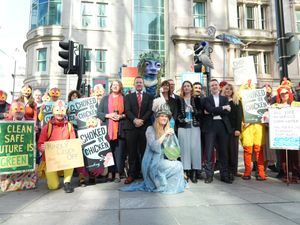
“This ruling is a wake-up call,” said Emma Dearnaley, River Action’s head of legal. “For too long, councils like Shropshire have been rubber-stamping intensive livestock farms without fully considering the damage they do to the surrounding environment. There are already far too many chickens in areas like the Severn and our rivers are choking on chicken muck. Today, the court drew a line: no more megafarms without looking at the bigger picture.
“This landmark judgment means councils across the country must take the health of the wider area into account and look at the wider consequences when it comes to agricultural waste. It's a big win for our rivers. The reckless spread of intensive agriculture must end now."
The judicial review focused on Shropshire Council’s failure to lawfully assess the environmental impact of the development, including the widespread and damaging practice of spreading poultry manure or digestate on surrounding land.
Key issues upheld by the court included:
* Failure to assess cumulative impact: The council did not properly assess the reality of having multiple polluting poultry units in one area, especially in light of the high density of existing units in the Severn river catchment.
* Failure to assess the indirect environmental impacts of the development. The council failed to lawfully assess the impacts of spreading manure or digestate, as indirect effects of the development.
Dr Alison Caffyn, a campaigner from River Action UK, said: “There are nearly 65 chickens for every person in Shropshire and yet the council still thought we needed more. This ruling proves what we’ve said all along: the planning system has been putting our rivers at risk. This case is a win for communities across the UK who are standing up to the environmental degradation caused by industrial factory farming.”
Ricardo Gama, solicitor at Leigh Day, the firm representing Dr Caffyn, said: “River Action and our client are obviously delighted about this result.
"They and others have done a huge amount of painstaking work reviewing technical documents to bring to light the flaws in this planning application.
"Dr Caffyn and River Action say that industrial agriculture has flown under the radar for too long, and it’s only through the tireless work of them and others that people are waking up to its massive environmental impacts.
"A High Court judge has found that Shropshire Council failed to properly assess those impacts, particularly given their legal obligation to look at the impacts in the round alongside the huge number of other intensive poultry units in the Severn catchment. River Action hopes that this will serve as an example for other councils looking at similar applications.”
This judgment follows several recent challenges against industrial agriculture. In March, the High Court ruled in The National Farmers’ Union v Herefordshire Council that farming manure constitutes industrial waste in law, with significant implications for the sustainable management of manure-as-waste across the UK.
Earlier this year, a proposed megafarm in Methwold, Norfolk was rejected over environmental concerns including the need to take full climate impacts into account when deciding whether to grant permission and the need to properly manage waste to prevent air and water pollution.
Campaigners hope that today’s victory will be a turning point in agricultural planning and policy, putting environmental health at the heart of decisions, stopping the spread of unsustainable megafarms and delivering proper protection for rivers.