Six priority themes unveiled for the Shropshire Hills in five-year plan to sustain its natural beauty - and you can have your say
A new five-year plan aiming to shape the future of the Shropshire Hills and tackle the "deteriorating" environment has been published.
The plan, 'Thriving in Balance with Nature', is seeking to "guide" the sustainable future of the landscape and address challenges that Shropshire's Area of Outstanding Natural Beauty (AONB) faces.
The plan running between this year and 2030 is built around six "priority" themes - nature, climate, water, land, people and place.
Ambitions include restoring nature and regenerating natural processes, "urgently" building climate resilience and decarbonisation, managing and looking after water to ensure it is clean and supports life, and nurturing the land and living healthy soil so it can sustain us.
The plan has opened for public consultation, running until the end of July. It calls for a shared responsibility of which organisations, land managers, businesses, communities and individuals can all play their part to look after the landscape.
Phil Holden, manager of the Shropshire Hills National Landscape Team, said: "There is already a lot of great activity by many people on all these topics, but some aspects of the environment are still deteriorating.
"Collectively we need to do more of the positive things, and keep questioning carefully what kinds of progress and development can meet people’s needs while sustaining our environment."
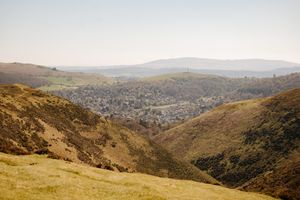
The Shropshire Hills covers 23 per cent of Shropshire, spanning 802 square kilometres.
The five-year plan for the landscape sets out local priorities while also taking into account influences from outside the area including global environmental change and national policies.
It has called for the restoration and creation of connected habitats for wildlife - such as woodlands, rivers and wetlands, meadows, scrub, hedges, and road verges.
It also seeks the management of existing good habitats, to integrate nature with farming and land management, and increase native tree and woodland cover.
The plan also states ambitions to "achieve big reductions in greenhouse gas emissions through technological, behavioural and structural changes in all sectors", as part of measures to tackle climate change.
In addition it includes ambitions to maximise storage and the sequestration of carbon in land, and to apply nature-based solutions at scale.
Moreover, the plan outlines ambitions to hold more water "higher up for longer" to slow flood peaks and maintain flows in dry periods and reduce forms of pollution to "achieve cleaner rivers".
Chair of the Shropshire Hills National Landscape Partnership, Alex Carson-Taylor added: "The plan calls for improved care of existing valuable features and creation of better connected habitats for wildlife including woodland, trees, meadows and wetlands.
"We will forge a new sustainable future for farming and land management with farmer groups, support and advice. The plan details the need for significant reductions in greenhouse gas emissions, action to clean up our rivers and to re-naturalise their channels and the land at the top of their catchments to lessen flooding.
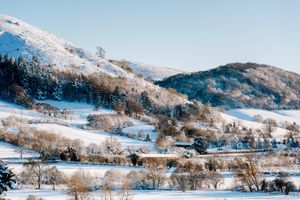
"We need to involve a wider range of people to be active outdoors for health and wellbeing, and to build a thriving regenerative economy that supports the environment and local communities and businesses. We want to help people connect more to nature, and to connect to places through their cultural heritage and local food, leading to people enjoying and caring more for the area."
"The vision for the Shropshire Hills National Landscape and for co-ordinated action to conserve and enhance it is set out in this statutory plan," Shropshire Council's Cabinet member for housing and leisure, James Owen added.
"Based on local partnership and consensus, the plan seeks to guide and inspire action to meet the purposes of designation and apply local solutions to local challenges. The plan has been prepared by the Shropshire Hills National Landscape Team on behalf of Shropshire Council and Telford & Wrekin Council."
The draft plan is available on the Shropshire Hills National Landscape's website where there is a link to an online form where residents can comment and express their views.