
Executed: Drug trafficker from Staffordshire was offered no mercy in Kuala Lumpur
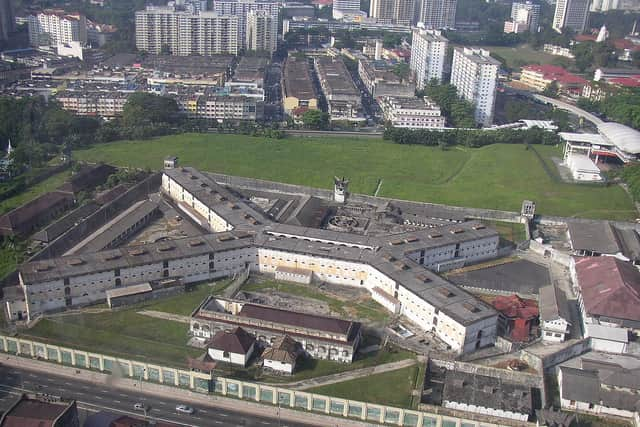
Kevin Barlow’s exposed feet – a tag hanging from them – protruded from the rattling truck that rolled through Pudu Prison’s yawning gates.


His lifeless legs swayed as the well-worn vehicle attempted to cut through the noisy sea of humanity that churned excitedly outside the Kuala Lumpur prison.
They had gathered before sunrise turned the Malaysian skyline burning gold, simply abandoning cars and motorbikes to witness the moment the bodies of Barlow and fellow drug trafficker Brian Chambers were transported from the gallows.
They celebrated their deaths. They applauded the defiance of a government that remained unmoved by the western world’s pleas to spare the two men, its cold indifference when the pleas turned to condemnation.
When publicly informed “no-one has the right to take a life”, Prime Minister Mahathir Mohamad responded: “Tell that to the drug traffickers.”
Our Prime Minister Margaret Thatcher appeared to agree. She was approached but declined to add her powerful voice to the growing protests.
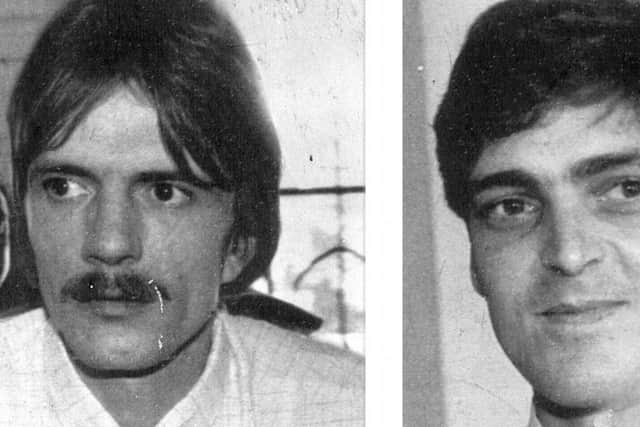
Kevin Barlow, born in Stafford, Stone or Stoke, depending on which newspaper report you access on the internet, ate a meal of satay beef in a spicy peanut sauce hours before he was led handcuffed to his death at 6.08am on July 7, 1986.
“They can request a last meal, but there’s no guarantee they’ll get it,” said one warden. Barlow probably didn’t: Chambers was served the same dish.
There was no alcohol to dilute the terror of that last long walk, no spirits to strengthen weak and disobedient legs. “There’s no such thing as one for the road,” a Malaysian executioner revealed.
Those awaiting the call to take the pair to the gallows glugged Coca Cola and chatted.
The deaths of Barlow and Chambers will divide readers. Some believe those who trade in misery deserve no mercy - others see capital punishment as state-endorsed murder.
Writing for the Melbourne Herald Sun, Bruce Dover said: “Barlow and Chambers were not evil men. Stupid, naïve, greedy even, but capable and perhaps deserving of redemption and a second chance.”
The Staffordshire man, only 28, had been caught in his very first attempt to smuggle heroin through Bayan Lepas International airport to Australia where he and his family had made a new life.
Partner-in-crime Chambers, 29 when executed, was an old hand at the grubby business. He had made 12 runs before his luck ran out as a result of Barlow’s bungling incompetence.
Barlow, who had a home in Perth, had been a burden and liability since the pair arrived in Malaysia to collected their cargo of narcotics.
In layman’s terms, he spectacularly lost his bottle.
The early confidence he had displayed visibly seeped from his shaking body at the airport. Police officers watched intently as he avoided the luggage scanner and approached the check-in desk.
Barlow was trembling. His shirt was wet with sweat, his knuckles wrapped white around the handle of a maroon suitcase.
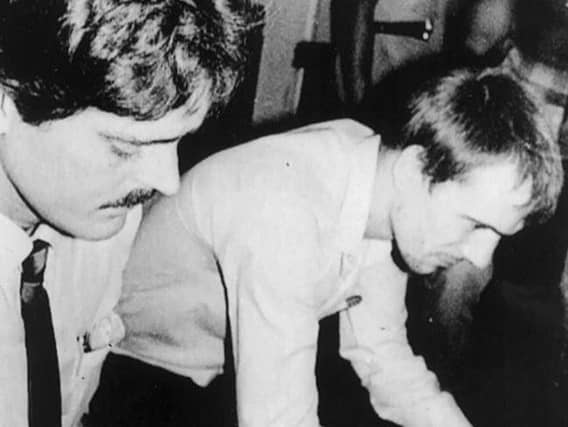
Police waited until their suspect was joined by Chambers, then ushered the uneasy pair to an interview room.
They posed beaming and triumphant next to the 179 grams of heroin liberated from the case. They posed beaming and triumphant next to their prisoners.
Chambers secretly must’ve cursed bowing to his accomplice’s paranoia and protests. They had planned to hide pellets of the Class A drug in their bodies – something Chambers had done many times before, but only hours before boarding the flight, Barlow steadfastly refused to do it.
He feared such steps were unsafe, he found them abhorrent.
Packing their haul in luggage cranked up the risks tenfold.
It was one of many instances where the pair had strayed from the script given them by underworld paymasters in Perth.
They had been told not to be seen together, but partied like close friends soon after arriving in Singapore. They even shared a hotel room.
They travelled by train together to Penang, Malaysia. Outside Bayan Lepas airport, they were seen alighting from the same taxi.
Throughout, Barlow appeared a man woefully out of his depth. And that inexperience spelt misery for the apprentice drug mule during his close to three years in hell hole prisons battling the death penalty.
He, Chambers and three others shared a two by three metres cell at Penang Prison. It was built to accommodate 350 inmates, but 2,000 eked out the semblance of an existence in the cesspit complex, including women and children.
Chambers, witty and outgoing, proved a popular addition to the ragtag band of prisoners. Barlow, bullied and intimidated, was reported to be close to “cracking up”.
He limped into the July 1985 trial at Penang Court on crutches after suffering a groin injury. It’s not known whether that was a result of violence behind bars.
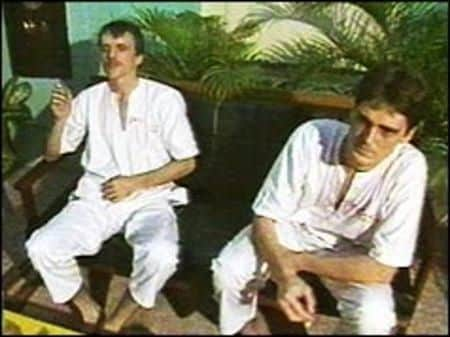
In a desperate attempt to save their lives, the pair turned on each other. Barlow claimed the suitcase belonged to Chambers and he knew nothing about its contents. Chambers said he had no idea the individual he befriended was a drug trafficker.
When the sentence was announced, their gulf in criminal activity showed. Chambers reacted with rage. As he was led away, one Australian reporter shouted: “How does it feel?”
“How do you think it ****ing feels?” snapped Chambers. “You idiot.”
Barlow appeared dazed as if struggling to comprehend the fate that awaited him, unable to speak, unable to move from the dock.
An appeal failed on December 18, 1985, and the pair spent their last months in the grim surrounds of Pudu Prison where 50 other drug dealers awaited the hangman’s noose.
In the hours before death, Barlow drew up his will with lawyer, Karpal Singh. “You have tried your best, that’s the end,” he told Singh.
For his mother, Barbara Barlow, it was the end of a frantic battle for her son’s salvation, a campaign that had included letters to the Queen, Margaret Thatcher and the Pope.
“The only person I got a reply from was the Queen,” Barbara told reporters. “She said she’d pass it on to the appropriate minister. “I never heard from the Pope, but we do know he asked the Bishop of Thailand.”
CBS produced a miniseries about the case, Dadah is Death, with Julie Christie playing the part of Barbara Barlow.
It is a story of Barbara’s heartbreaking struggle.
Journalist Bruce Dover was present when she said her final goodbye to Barlow.
He wrote: “This was not saying goodbye to a loved one who was dying of some illness; this was an attempt at parting words of love and comfort to those who would be the subject of state-sanctioned murder. This was innocent bystanders being condemned to a trauma so uniquely painful and poignant to be unimaginable.
“And I recall coming to the realisation at that moment, that the death penalty is not confined just to the prisoners whose lives it takes in the name of justice, but that it also condemns family and loved ones to a rollercoaster of hope and despair so wrenching and exhausting, that ultimately it extinguishes something deep inside them forever. All this in the name of justice.”
Many will scoff at Barbara’s claims of “it could happen to anyone”.
But naïve with youth, filled with the misguided bravado of youth and lured by the promise of big money, I can see how some would make the biggest mistake of their life.
For Kevin Barlow, the biggest mistake of his life cost him his life.
Comment Guidelines
Iconic Media encourages reader discussion on our stories. User feedback, insights and back-and-forth exchanges add a rich layer of context to reporting. Please review our Community Guidelines before commenting.