£20,000 treatment overseas has changed my life, says Shropshire woman, 44
A Shropshire woman suffering from a chronic disease which had confined her to a wheelchair says her life has been changed after travelling to Europe for treatment.
Toni Kirkham, from Pant, near Oswestry, contracted Lyme disease five years ago after being bitten by a tick while working as a gardener.
The NHS will treat Lyme disease when it is diagnosed in the early stages, but usually with only a very short course of antibiotics.
But as Toni's disease went undiagnosed for 18 months, it became chronic and she was ineligible for NHS treatment.
Lyme disease, or Lyme borreliosis, is a bacterial infection spread to humans by infected ticks.
It's estimated there are 2,000 to 3,000 new cases of Lyme disease in England and Wales each year. About 15% of cases occur while people are abroad.
Lyme disease can often be treated effectively if it's detected early on. But if it's not treated or treatment is delayed, there's a risk you could develop severe and long-lasting symptoms.
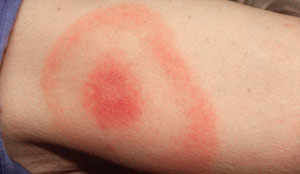
Many people with early-stage Lyme disease develop a distinctive circular rash at the site of the tick bite, usually around three to 30 days after being bitten. However, around one in three people with Lyme disease won't develop this rash.
More serious symptoms may develop several weeks, months or even years later if Lyme disease is left untreated or is not treated early on. These can include:
pain and swelling in the joints (inflammatory arthritis), problems affecting the nervous system – such as numbness and pain in your limbs, paralysis of your facial muscles, memory problems and difficulty concentrating, heart problems – such as inflammation of the heart muscle (myocarditis) or sac surrounding the heart (pericarditis), heart block and heart failure, inflammation of the membranes surrounding the brain and spinal cord (meningitis) – which can cause a severe headache, a stiff neck and increased sensitivity to light
Some of these problems will get better slowly with treatment, although they can persist if treatment is started late.
Source: NHS Choices
However, her family – husband Pete, daughter Jess, 17, and son Ryan, 15 – managed to raise £20,000 for their mother to travel to a private clinic in Germany.
Toni, 44, said: "It was a very difficult time but the treatment I received from the German clinic was outstanding.
"While there I was on antibiotic intravenous treatment for eight weeks. I returned to the UK in November and slowly I'm making good progress, in that the treatment is keeping the infection under control and I have eliminated some symptoms.
"I can now walk short distances with the aid of a walking stick and my fatigue is more manageable, as long as I don't overdo things.
"Before my fatigue was so bad that I couldn't stand for any period without feeling the need to collapse. I didn't even feel safe to drive the car.
"I would like to thank all the staff at the BCA clinic who have been wonderful – to be finally treated like a patient has meant so much. Without the support, care and love of Pete and Jess and Ryan, I know I could not have got though those two months, and Jess has been truly amazing."
Having returned home Toni is continuing with her treatment plan under the guidance of the doctors at the BCA Clinic in Augsburg. She will then be returning for follow up appointments.
But she stressed that while the treatment has helped, it will not cure her condition.
"As with any chronic illness and due to the fact that I have had the disease for many years, it will now take some time to see the full effects and even I have been told and accept that cure is not possible," she said.
"But as long as I can live a life with relatively manageable pain and can get around more easily, this I will be very happy with."
To help Toni continue with her treatment donate at www.facebook.com/tonilymedisease