Shropshire MPs call for badger cull over bovine TB
Shropshire's MPs have issued a renewed call for a badger cull in the county to tackle the spread of bovine TB.
Daniel Kawczynski, MP for Shrewsbury and Atcham, said that although the suggestion is unpopular, he believes it is vital to protect the county's cattle herds.
Mr Kawczynski's party colleague, Owen Paterson, MP for North Shropshire said bovine TB has become an "horrendous problem" in his constituency and urged farmers to apply for permission to carry out a cull.
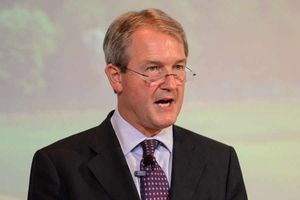
Mr Paterson also said that trial culls in Somerset, implemented while he was Minister for the Environment had been effective.
He said: "The initiative has to come from farmers, who have to form a company, draw up boundaries and apply for a cull.
"It is incredibly interesting that, despite the intense pressure from saboteurs, the cull in Somerset seems to have worked.
"Of 100 dairy herds in Somerset the number affected by TB has dropped from 30 to 10."
Mr Kawczynski added: "They have had these trials of culling badgers in two areas of the country and they have got very positive results. We are going to have to move the cull to other parts of the country
"I want to have a limited cull in Shropshire, that is the solution to the problem." Both Mr Paterson and Mr Kawczynski said the financial cost of compensation for cattle which contract TB is a huge strain on Government finances.
Shropshire Wildlife trust opposes a badger cull in the county and says that biosecurity and vaccination should be at the centre of efforts to tackle the disease.
Oliver Cartwright, NFU Shropshire spokesman, said that vaccination would only work if used alongside other measures.
He said: "The NFU is supportive of the use of vaccines because they have a role to play in the long-term control of the disease, however, it will not cure a badger that is already infected, so simply its effectiveness, without other measures, will be limited.
"There is still no evidence which shows that vaccinating a proportion of the badger population actually results in a reduced risk to cattle, however, our members are working with wildlife groups on trial projects.
"While vaccines on their own are unlikely to deliver disease eradication they have the potential to be an effective control measure alongside a wider package of measures, which must include dealing with the disease in badgers, bio-security, cattle testing and movement controls etc."