Farming Talk: Tricky legacy of this year's soggy summer
The wettest summer for 100 years, according to the Met Office, continues to leave a legacy for farmers.
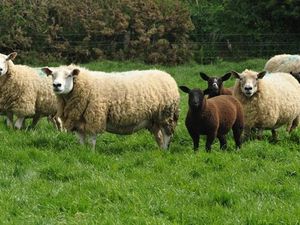
Livestock farmers in particular have been used to looking forward to an 'autumn flush' for grazing, as the residual nitrogen from the summer normally allows a last burst of growth before the temperatures and day length decline.
However, saturated soils mean that much of this nitrogen will have been leached or possibly denitrified, meaning that any late burst, even if we have a drier spell, will be muted.
While potash and phosphorus are less readily lost through leaching, soil erosion can take phosphorus with it, so efforts should be made to minimise soil losses. If ground conditions allow, it is still possible to make use of late grazing, to conserve precious silage stocks, but expect growth to be modest.
Whilst NVZ rules allowed a small (up to 40kg N/ha at one application) dressing of N to be applied to grass until October 31, the effect of any application will have been relatively small while the likelihood of losses would have been large.
Perhaps the best thing to do is to look ahead to next spring. Most people will be looking to make the best start to the year that they can, after what is likely to be a tough winter making the best of silage stocks. Make use of the housed period for stock by checking that your soil tests are up to date, with all fields having an analysis that is no older than three to five years.
This will mean that you can be ready with appropriate P and K for spring applications, as well as knowing whether liming is needed or not.
Correct soil pH is vital to best use of nutrients, and therefore best grass growth.
Ensure a flying start by being ready to apply nitrogen when soil temperatures reach between 5C and 6C at 10cm depth, travelling conditions permitting, of course.
Missing this window by up to two weeks will result in a yield of around 90 per cent of the maximum, but it may also mean being two weeks later in having enough grass!
A last consideration is to think about perhaps the biggest legacy of this year's wet conditions. Grazing and machinery use in less than optimal conditions is likely to result in soil compaction, so be ready to take a spade out and have a look to see what the impacts are.
Subsoiling and aeration should only be done when the soil isn't too wet, but knowing whether you have a problem is the first step to knowing what you need to do.
Left unattended, it is possible that this year's conditions could have an impact for more seasons to come.
Dave Mitchell is fertiliser manager at Wynnstay Group plc