Descendants of HMS Beagle crew gather in Shrewsbury to honour Benjamin Bynoe
Descendants of crew members from the historic HMS Beagle gathered in Shrewsbury for a special event celebrating the life and legacy of naval surgeon Benjamin Bynoe.
The talk, organised by Bibbs Cameron at Shrewsbury Historica, for The Darwin Festival, highlighted Bynoe’s significant but often overlooked role aboard the Beagle during its second voyage (1831–1836) — the expedition that also carried Shrewsbury-born naturalist Charles Darwin.
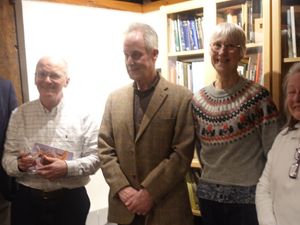
The evening was made particularly poignant by the presence of living descendants of several Beagle crew members, creating a powerful link between past and present.
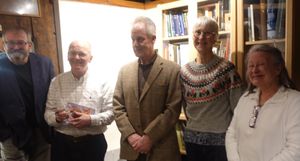
Family connections shared
The very informative talk was delivered by Ian Bynoe, who outlined his personal connection to the ship’s surgeon. Benjamin Bynoe is Ian’s fourth cousin, four times removed. His twin sister, Francis Hodson (born Francis Bynoe), also attended and shares the same ancestral relationship.
Jack Lee was present in honour of his great-great-grandfather, John Johns, who served as the ship’s main topman — a highly skilled and physically demanding role responsible for working in the rigging and managing sails.
David Billet attended as a descendant of Thomas Wilton Billet, his great-great-great uncle, who served as the gun room boy (officers’ servant) aboard the Beagle.
Fiona Koomba also shared her family link. Her mother, Wendy Bynoe, passed down the family name, and Fiona is currently researching the precise cousin connection to the Bynoe lineage.
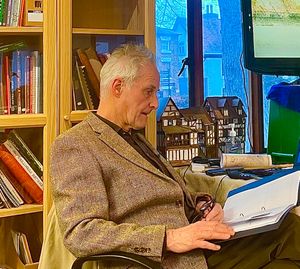
Recognising a broader story
While Shrewsbury is globally associated with Darwin, the event part of The Darwin Festival, emphasised that the success of the Beagle’s voyage depended on the collective work of its full crew — including surgeons, sailors and junior officers.
Benjamin Bynoe played a vital role in maintaining the health of those aboard and contributed to the scientific work undertaken during the expedition. Ian Bynoe gave a talk that explained his contribution, and that of his fellow crew members, is properly recognised within Shropshire’s rich historical narrative.
Bibbs Cameron for Shrewsbury Historica said: “Bringing together descendants of the HMS Beagle’s crew in Shrewsbury was a moving reminder that history is personal. These were real individuals whose connection to crew members who helped shape one of the most significant scientific voyages in history.”
The gathering concluded with discussion and shared family research, reinforcing the continuing legacy of the HMS Beagle nearly two centuries after its voyage.