Peru’s president declares state of emergency in capital in bid to stem violence
The country has seen major protests against violence and corruption led by Gen Z activists.
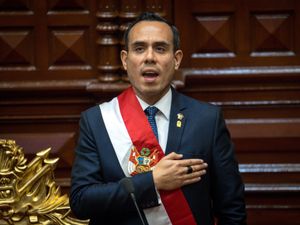
Peru’s new president has declared a state of emergency in the capital in the government’s latest attempt to stem a surge in violence that has stirred protests and contributed to the recent downfall of his predecessor.
Peru has seen an increase in killings, violent extortion and attacks on public places in recent years. Between January and September, police reported 1,690 murders, compared with 1,502 during the same period of 2024.
Former president Dina Boluarte was removed from office by Peru’s Congress on October 10, after an impeachment process in which politicians said that she had been unable to tackle the crime wave.
She was immediately replaced by Jose Jeri, the legislative body’s leader.
In a televised message, Mr Jeri said the emergency in Lima would last 30 days, and added that the government was considering steps including deploying soldiers to help police and restricting some rights, such as the freedom of assembly and movement.
His government later published a decree formally declaring the emergency.
“Wars are won with actions, not words,” the president said in the address.
He said that he was planning a new approach to fighting crime that he described as going “from defence to offense.”
Peru has seen major protests against violence and corruption led by Gen Z activists.
Protesters rallied in Lima on Thursday to demand the resignation of the new president. The demonstration turned violent, leaving one civilian dead and around 100 people injured, including police officers and some journalists.
Mr Jeri said that same day that he would not resign.
Former president Ms Boluarte declared a 30-day state of emergency in March, but it did little to reduce crime.