Households facing ‘fresh blow to budgets’ as inflation forecasts are hiked
Sharp rises in the cost of energy could also have implications for the cost of food, travel, entertainment and more, an analyst said.

Households are facing the prospect of a more painful squeeze on their wallets from sharper price rises than previously expected.
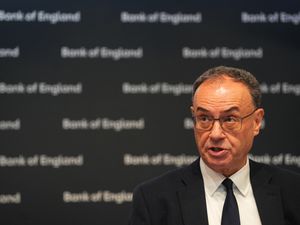
The Bank of England held the base rate at 3.75% on Thursday, with forecasts for UK inflation being hiked.
Its Monetary Policy Committee now expects Consumer Prices Index inflation to be around 3% in the second quarter of 2026, up from the 2.1% that had been forecast in February, with a potential rise in inflation up to 3.5% in the third quarter.
Governor Andrew Bailey said the Middle East conflict had pushed up global energy prices, with this already being seen at petrol pumps.
Higher wholesale gas prices could feed through into a higher Ofgem energy price cap from July.
Meanwhile, many mortgage lenders have withdrawn products and pushed up rates as swap rates, which are used by lenders to price mortgages, have increased.
Alice Haine, personal finance analyst at Bestinvest by Evelyn Partners, said: “The nation is only just emerging from the post-pandemic cost-of-living crisis, and many had been looking forward to some relief from higher living costs in the months ahead.
“Instead, consumers are now facing sharp energy price rises amid fears that prolonged disruption to oil supplies could trigger a fresh round of runaway price rises.
“This would have implications for the prices of all the goods and services UK households consume – from energy and fuel, to food, travel, entertainment and more – delivering a fresh blow to budgets.”
Ed Monk, a pensions and investment specialist at Fidelity International, described the reversal in market expectations from just a few weeks ago as “jarring”.
He said: “This will be troubling for households, 1.8 (million) of whom are due to reach the end of fixed-rate mortgage deals in 2026 and will be looking for new home loans.
“New mortgage rates were already likely to be higher than their previous deals and now rates in the mortgage market look to be on the rise.”
The average two-year fixed-rate mortgage on the market has already increased from 4.83% at the start of March to 5.32% by Thursday morning – the highest since April 2025 – according to financial information website Moneyfacts.
The average five-year fixed rate has risen from 4.95% at the start of March to 5.37% – the highest since August 2024.
Rachel Springall, a finance expert at Moneyfactscompare.co.uk, said: “There have been hundreds of deals withdrawn from the market over a very short time frame.”

Frances Haque, chief economist at Santander UK said: “After a steady start to the year in the housing market, the changing economic backdrop has meant swap rates have climbed.
“In the short-term, we have seen a huge spike in activity in the market, with borrowers racing to lock in their mortgage ahead of anticipated rate rises.
“Looking ahead, while the delay to rate cuts will impact consumer confidence, and in some cases affordability, it’s important to note that this period of adjustment in the market will reduce competitive pressure and, in some cases, drive house prices down.”
Lucian Cook, head of residential research at property firm Savills, said: “Hopes of easing inflation and future rate cuts have been knocked back by renewed pressure on oil prices, with markets now contemplating that 2026 will end with the base rate at the same level, or even higher, than when the year began.
“This points to a property market that will remain price sensitive, with the prospect that values will continue to fall in real terms over the course of this year.
“The extent to which this translates into nominal price falls depends on how global events play out.
“For now, lenders are expected to act more cautiously, the impact of which will be felt most keenly by first-time buyers who are more reliant on higher loan-to-value lending.”
David Hollingworth, associate director at L&C Mortgages, said: “Increases to fixed rates are very likely to continue for now and borrowers should brace themselves for a bumpy ride.
“Lenders are wrestling with volatile market rates and very significant spikes in volume, as borrowers scramble to secure rates before they disappear.
“We’ve seen very significant levels of product repricing and a deal that is there today isn’t guaranteed to be there tomorrow.”
Nicholas Mendes, mortgage technical manager at John Charcol, said: “Fixed rates are driven by future funding costs rather than today’s (Bank of England base rate) alone, so lenders do not need to wait for an actual base rate rise before withdrawing products or increasing pricing.
“I would expect more short-notice rate withdrawals over the coming days, and potentially some lenders temporarily stepping back while markets remain this unsettled.”
On a more positive note for households, Charlotte Kennedy, a chartered financial planner at Rathbones, said that savings rates may fall more slowly – although savers could still see the real benefits of this eroded by rising prices.
She said: “The key is to focus on the real return – what your money is earning after inflation – not just the headline interest rate.
“If higher energy prices feed into broader inflation, the purchasing power of cash could still be eroded, even if interest rates remain elevated.”