UK will allow US to use bases to attack missile sites in Iran, PM says
The US will use the bases for the ‘specific and limited defensive purpose’ of hitting missile launch sites or storage depots in Iran.
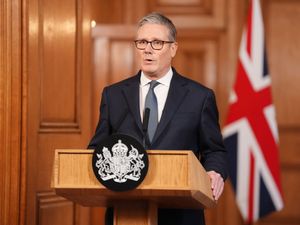
The UK has agreed to a US request to use British bases to attack Iranian missile sites, Sir Keir Starmer has said.
Britain has so far not been involved in the US-Israeli strikes on Iran, and is reported to have previously refused American requests to use UK bases for operations against the country.
But in a statement on Sunday night, the Prime Minister said he had granted the request “to prevent Iran firing missiles across the region, killing innocent civilians, putting British lives at risk, and hitting countries that have not been involved”.
The US will use the bases for the “specific and limited defensive purpose” of hitting missile launch sites or storage depots in Iran, he added.
Sir Keir said Britain’s allies in the Gulf had “asked us to do more to defend them”, and accused Iran of putting British lives at risk across the region.
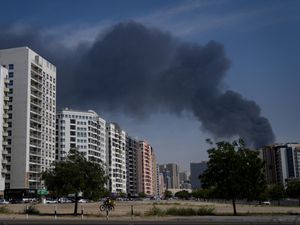
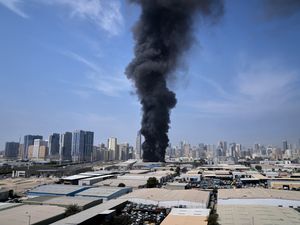
No British nationals have been harmed so far in the conflict, but there are at least 200,000 currently in the Gulf, mainly in the UAE, which has been targeted by multiple Iranian missiles and drones.
British military personnel were also within metres of a strike on a base in Bahrain, while regional allies such as Qatar have also come under attack.
Although the UK was not involved in the strikes on Iran, it has conducted defensive operations since Saturday morning, including shooting down Iranian drones targeting northern Iraq and Qatar.
Sir Keir said that, despite allowing the US to use British bases, the UK would not be directly involved in strikes against targets in Iran.
It is not clear which bases the US will use, but Donald Trump has previously referred to using Diego Garcia, one of the Chagos Islands in the Indian Ocean.
The decision comes after a day of conversations between Sir Keir and regional leaders, including the kings of Bahrain and Jordan, the crown prince of Kuwait, the sultan of Oman and the president of Cyprus to discuss the security situation and the UK’s defensive actions.
Following the Prime Minister’s statement, the Government published a summary of its legal position, setting out that the UK was acting in defence of itself and “collective self-defence of regional allies who have requested support”.
Sir Keir also issued a joint statement with the leaders of France and Germany in which the three men said they would work with the US to enable “necessary and proportionate defensive action” to destroy Iranian missiles “at source”.
His statement comes as US and Israeli combat operations against Iran entered their second day on Sunday.
The Israeli military said it had continued to hit sites in central Tehran following the death of Supreme Leader Ayatollah Ali Khamenei in an airstrike on Saturday morning.
Iran has vowed to retaliate with “devastating blows” and has fired missiles at many of its neighbouring countries as well as US military targets.
Three US service members have been killed and five seriously wounded in the operation so far, according to the American military’s Central Command.
Green Party leader Zack Polanski condemned Sir Keir’s decision, saying it had taken “just one phone call from Donald Trump for Starmer to jump into yet another Middle East illegal war, failing to learn the lessons of the tragedies of Iraq, Libya and Syria”.
Reform UK leader Nigel Farage said the Prime Minister’s decision was “better late than never” and described Sir Keir as “a follower, not a leader”.

Meanwhile, the Foreign Office has mounted an unprecedented operation to support British nationals in the Middle East.
Officials at the Foreign Office are understood to be working on plans for potential evacuation routes should airspace in the Gulf remain closed.
But British nationals are currently being advised to stay where they are and follow the instructions of local authorities and monitor the Foreign Office’s travel advice, which officials expect to change rapidly
Those in Bahrain, Israel, Palestine, Qatar and the UAE have been urged to register their presence with the Foreign Office online.
More than 76,000 people, mostly in the UAE, have already registered their presence, a scheme the Government has used before to provide urgent updates to people affected by international crises.