Cheese-rolling, ceilidhs and crafts: Call launched for UK ‘living heritage’ list
The Government is inviting communities to nominate traditions, crafts and celebrations that shape them for the Unesco inventory.
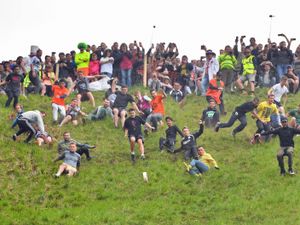
Communities are being invited to nominate traditions from ceilidhs and cheese-rolling to the Notting Hill Carnival for a UK register of “living heritage”.
The UK-wide inventory will encompass practices handed down through generations, including crafts such as tartan weaving or dry stone walling, events such as Pancake Day or Burn’s Night suppers, and traditions brought to the UK by immigrant communities such as steel-drumming.
The move to draw up an inventory recognising the UK’s living heritage is part of efforts to safeguard the crafts, customs and celebrations that form the country’s culture and identity, the Government said.

They can also be economically important, with research from Historic England showing that the heritage sector contributed more than £15 billion to the economy in 2022.
Crafts alone contribute as much as £400 million a year, figures from the Department for Culture, Media and Sport (DCMS) show, while events can be major economic draws for individual places, such as Lewes, in East Sussex, whose bonfire celebrations attract 40,000 visitors to the town each year.
The call-out comes after the UK ratified UN culture body Unesco’s 2003 Convention for the Safeguarding of the Intangible Cultural Heritage last year, which requires countries to draw up an inventory of the traditions, practices and skills that communities, groups and individuals have as part of their culture.
Separate inventories will be drawn up for England, Wales, Northern Ireland and Scotland, combining into a UK register.
Submissions to the list must involve the communities or groups that practise them, and can come under seven categories: oral expressions such as poetry, song and storytelling; performing arts; social practices; crafts; sports and games; culinary practices; and nature, land and spirituality.
They could include anything from the National Eisteddfod of Wales to bagpiping, bog-snorkelling, soda bread or Ulster lace making, apple tree wassailing or solstice celebrations at Stonehenge.
Heritage minister Baroness Twycross told the Press Association that “every part of the UK is bursting with living heritage”.
“We want to start a national conversation about the craft, customs and celebrations that are valued by communities across the UK.

“And this isn’t just for the sake of having conversations, it’s about safeguarding them for future generations,” she said.
She pointed to the dozens of crafts on the heritage craft red list, which was helping draw attention to some endangered craft, and said the inventory of living heritage could drive the conversation about how to support crafts and traditions more widely.
Baroness Twycross also said it was important that the inventory was inclusive – and came from communities themselves.
“We think our living heritage is constantly evolving and taking influence from all the different communities that make up the UK.
“Traditions are what makes up the essence of our national story.
“They make us proud of who we are and where we come from, and I think it’s right that traditions brought by immigrant communities are also part of that,” she said, adding that conversations about what people care about could add to community cohesion.”
And she said: “We’re asking communities themselves to put forward things to the inventory of living heritage.
“This is about communities themselves saying what they value and what they think should be passed down and valued for future generations too.”
For information on submissions for the living heritage list, people can visit: www.livingheritage.unesco.org.uk