Former Oswestry chapel could be turned into house as proposal resubmitted
A proposal to turn a former chapel near Oswestry into a house is back on the table.
Shannon Stevens initially submitted an application in April for the conversion of Maesbrook Methodist Church into a three-bed property. The chapel was built in 1899 as a replacement for an earlier, smaller chapel.
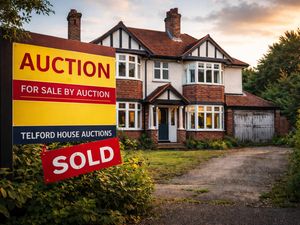
It was sold at auction last year for £122,000 – more than three times its guide price of between £30,000 to £40,000.
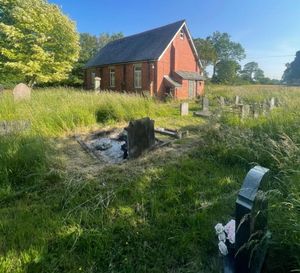
It was not in use at the time of the sale, but the new owner took on the building with the responsibility of the graves at the site and maintaining access for visitors.
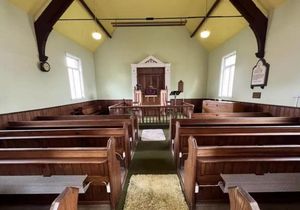
The plans included a living area and kitchen on the ground floor, with a toilet and utility room, while upstairs there would be three bedrooms, with one including an en-suite and family bathroom.
It also included the creation of two parking spaces in the area around the chapel, which lies off the B4398, with no alterations to the external building.
However, last month the proposal was withdrawn, with Gerrard Marshall, of St Oswalds Architectural Design telling Shropshire Council planning officer Mark Perry that it would be resubmitted “once we have all the information.”
The application (25/02618/FUL) has now been sent back to the council, with comments allowed up to August 14.
“Despite being unlisted, it is clear that the Maesbrook Methodist Chapel is a good example of a local place of worship, constructed in the late 19th/early 20th Century – which has remained generally unchanged since its construction,” said a spokesperson for Sean Pemble Architects.
“After purchasing the chapel in late 2024, the applicants seek permission to sensitively convert the chapel into a modest three-bedroom residence for their occupation.”
The spokesperson added that the key works including the insertion of a first floor structure, new rooflights ot the existing roofscape, the creation of partitions and subdivision of the internal volume, and the creation of an off-street parking area.
“It is deemed that minimal harm will be caused by the proposed conversion, provided that a few simple details are considered and retained as part of the conversion process.
“Any minor harm caused by the proposed scheme is greatly outweighed by the positive – that an otherwise redundant place of worship continues to exist, providing a family home and a sound justification for its maintenance and upkeep.
“All buildings need a purpose if they are to be maintained, and the building is, therefore, in clear need of a new use if its long-term future is to be ensured.”