
Plan to convert part of Much Wenlock hotel into houses
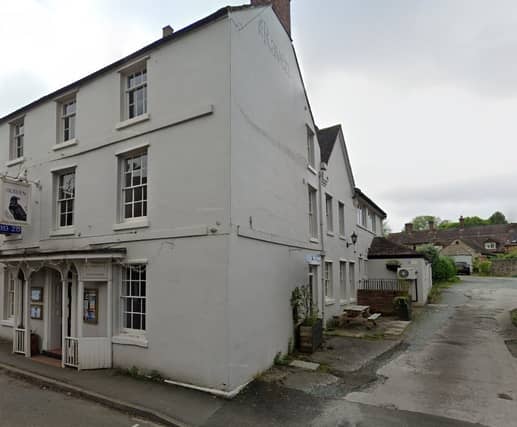

Part of a Shropshire hotel and restaurant could be converted into three houses.
Ling Farm Ltd has submitted plans for the scheme at the Raven Hotel in Barrow Street, Much Wenlock.
It involves the conversion of a vacant former kitchen and resaurant, along with a portion of the adjoining hotel rooms, to deliver two two-bedroom houses and one one-bedroom house.
“The intention is to retain the character and structural integrity of the existing premises where possible, while upgrading the internal layout to meet modern residential standards,” said Ryan Taylor, of Tailored Designs Ltd.
“The development aims to enhance the vitality of the area by introducing new, much needed homes, contributing to the local housing supply, and supporting the long-term viability of the site.”
Mr Taylor added that the restaurant, kitchen, and seven hotel rooms have not been refurbished.
“This decision was based on limited demand and the prohibitive costs associated with upgrading these areas to an acceptable standard,” said Mr Taylor.
“As a result, this portion of the building remains vacant. Prior to the restaurant’s closure, it was incurring net annual losses of approximately £200,000 in operational costs, highlighting the financial impracticality of its continued use in its previous form.
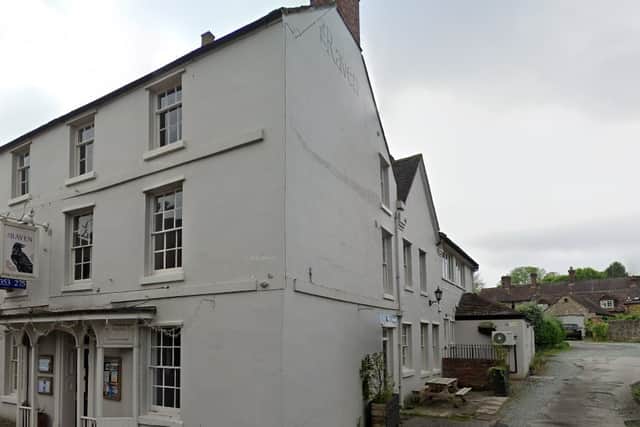
“The proposal clearly dissects the site into a simple and sensible arrangement, where the lower parking area will be retained for visitors and the upper parking area will be used for the proposed residential parking area and landcaped amenity space, and then the vacant part of the site will be converted into three dwellings and garden spaces with pedestrian access directly from St Mary’s Road.
“This arrangement is the easiest way for the two proportions of the site to not cross over or impact upon each other.”
The bedrooms will be located on the upper floors, which were previously hotel rooms, and will feature en-suite bathrooms.
The courtyard and existing garden areas, meanwhile, will be reimagined as private gardens and commual amenity space for the new residents.
“The integration of these outdoor spaces will not only provide areas for relaxation and recreation but will also foster a sense of community within the development with low level fencing,” said Mr Taylor.
“By retaining and enhancing these features, the proposal will offer an attractive, sustainable living environment with a strong community focus.”
Comment Guidelines
Iconic Media encourages reader discussion on our stories. User feedback, insights and back-and-forth exchanges add a rich layer of context to reporting. Please review our Community Guidelines before commenting.