Shropshire Council criticises Government over 'very disappointing' budget and warns of cuts
Cuts and higher fees will be inevitable according to Shropshire Council after a "very disappointing" Government budget settlement will leave it facing a £60m deficit by 2027.
Shropshire Council said it had expected to receive a three-year budget settlement from the Government, but instead has been given only one year’s funding, adding it "does nothing to solve the council’s longer term budget issues".
The council says next year's "day-to-day revenue budget" will balance, but only because the Government funding assumes it will raise council tax by 3.99 per cent – of which two per cent is a precept for adult social care.
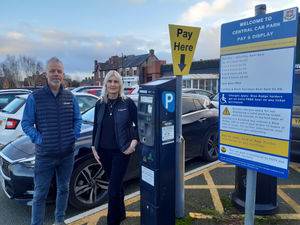
It added that it will also have to raise charges, reduce spending and divert almost £12m of funds to balance the budget.
In a statement the council said that from 2023 to 2027 it faces an annual budget deficit of almost £60 million.
It added that it is now looking at cuts to its spending to meet the target.
The statement from the council criticised the way its funding is calculated, saying the formula leaves the county short.
It said: "The longer-term financial position is made worse because Shropshire is one of England’s largest and most sparsely populated areas, and current Government funding formulas do nothing to address Shropshire’s rural nature, which makes running many council services cost much more.
"It must, for example, maintain 5,200km of roads, one of the biggest networks in the country; while its population is ageing faster than the national average. Despite talk of ‘Fair Funding’ to replace the existing Government funding formula, this has been delayed year after year.
"The council faces pressures due to ever-increasing demand for social care from its ageing population; inflation running at over five per cent currently; and extra cost pressures, such as the higher national insurance costs to fund the soon-to-be-introduced Health and Social Care Levy – but no funding from the latter will come anywhere near local government for at least three years.
"The one-year budget settlement also means the council cannot accurately conduct longer term financial planning while pushing an even greater cost burden onto local council tax payers. The Government-assumed increase would see an extra £1.11 a week added to the council’s average Band D council tax bill.
Gwilym Butler, Shropshire Council’s Cabinet member for resources, said: “The settlement we have received from the Government is very disappointing, and does nothing to alter the difficulties we face of a £60 million budget gap over the next five years, and that from 2023 our funding falls off a cliff.
“While we can balance our budget for next year, through careful financial planning and use of one-off resources that are now almost exhausted, the picture beyond that looks extremely bleak, and we must continue to plan for this.
“Instead of the positive settlement promised by ministers, all the Government has done is ignore our Fair Funding arguments and kick the can down the road; while forcing our residents to support even more of the burden, because the Government’s funding calculations assume that we increase council tax by 3.99 per cent.
“In 2015, 55 per cent of our budget came from council tax: in 2022 it will be 83 per cent.
“Instead of a longer-term settlement that addresses the issues of our structural deficit and the extra costs of providing services in a county like Shropshire, we must now apply our own one year sticking plaster to a very long and deep-rooted problem that must be addressed by the Government. This cannot continue.
“We are now working with our dedicated staff to identify how we can address this by 2026, and this inevitably will mean cuts, and increased fees and charges.
“Separately, we must – and will – continue to invest in our county’s infrastructure to help us deliver for Shropshire, but this will not solve the £60 million structural deficit in our day to day running costs.”
Cabinet will be asked to approve its budget plans for 2022/23 when it meets on Wednesday, January 5.
The plans will then go out to consultation and the budget will then be set by the Full Council at its meeting on Thursday, February 24.