17 famous bridges that define the amazing industrial history of Shropshire - pick out your favourite from our picture gallery
Bridges define the history of a county like Shropshire, which is dominated by the River Severn.
They are landmarks familiar to locals and tourists alike, and each has there own unique history both for Shropshire and for the country and its evolution through the industrial revolution.
Here are just a few of the bridges that link communities and provide important transport links across the county.
We have certainly missed a few - so we would love to hear your suggestions for others that should be added - or you memories of those that we feature below.
And they aren't in any particular order, apart from the obvious one we have placed at the top.
1: Iron Bridge
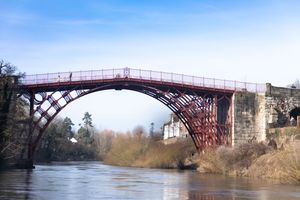
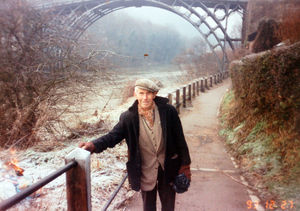
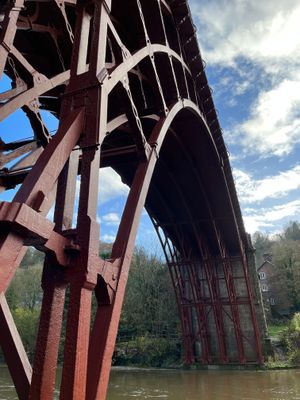
The world's first iron bridge was erected over the River Severn here in Shropshire in 1779. This pioneering structure marked a turning point in English design and engineering; after it was built, cast iron came to be widely used in the construction of bridges, aqueducts and buildings.
The Iron Bridge's story began in the early 18th century, in the nearby village of Coalbrookdale. Abraham Darby pioneered the smelting of iron using coke, a process that was a catalyst for the Industrial Revolution.
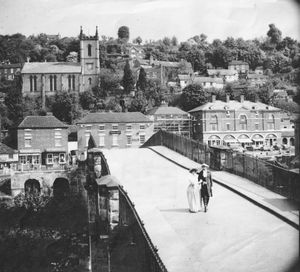
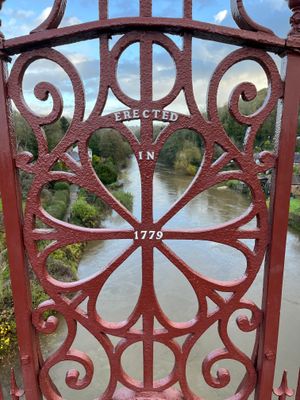
It was Abraham Darby III who cast the ironwork for the bridge that still stands today, using the same techniques developed by his grandfather. The bridge was so successful that it gave its name to the spectacular wooded valley which surrounds it, now recognised as the Ironbridge Gorge World Heritage Site.
In 2017-18 English Heritage undertook a £3.6m conservation project on the Iron Bridge, to help safeguard the future of its historic ironwork and take it back to its original deep red colour.
A spokesman for the charity says: "After surrounding the bridge with scaffolding and protective covering, our team of experts began their conservation work. The cast iron elements were repaired, the masonry conserved, the deck resurfaced, and the entire structure was cleaned and repainted in its original red-brown colour.
"We also installed a temporary walkway alongside the bridge, offering thousands of visitors a chance to see our conservation work in action.
"But we couldn’t have done it alone. A €1 million donation from the German Hermann Reemtsma Foundation and public support through English Heritage’s first crowd-funding campaign helped to fund this vital conservation project. We will always be grateful to everyone who supported the project."
2: Welsh Bridge
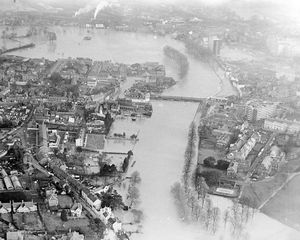
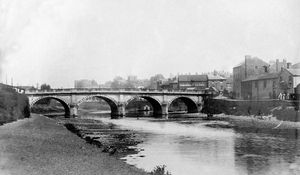
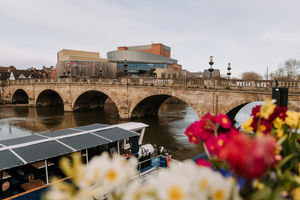
The Welsh Bridge is the counterpart to Shrewsbury's English Bridge on the other side of the town. Despite its name it obviously stands on English soil, it is simply closer to Wales. It is a Listed Building, Grade II and connects the area of Frankwell with the town centre.
The bridge was designed and built from 1793 to 1795 by John Tilley and John Carline, whose father was a mason on the English Bridge. It replaced the medieval St George's Bridge. Four of the arches span 43 feet four inches, while the fifth and central arch is 46 feet two inches,. The bridge is 30 feet wide, and built from Grinshill sandstone and is 266 feet long. It was completed in 1795 at a cost of £8,000.
3: Greyfrairs Bridge
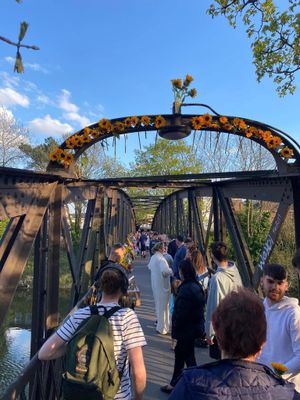
A wrought-iron bridge, built in 1880, which links Shrewsbury town centre to Coleham and Belle Vue. The The name suggests some ancient stone structure to those who do not know it, but this is in fact a functional modern metal truss bridge carrying a footpath on top and pipes below.
It is due to close next year for essential maintenance work, which has brought concerns from businesses because it continues to be a key walkway for pedestrians.
4: Victoria Bridge:
Ok, so this one is just over the border in Worcestershire, but it is on the Severn Valley Railway so we have added it anyway.
The bridge crosses the Severn between Arley and Bewdley. At the time of its construction, the 200-foot railway bridge was the longest single span cast iron bridge in Britain.