Shrewsbury's North West Relief Road to be officially CANCELLED - but Oxon Link Road survives
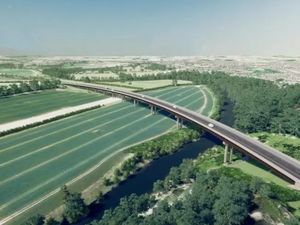
Shrewsbury's controversial North West Relief Road is set to be officially cancelled by councillors.
Shropshire Council has confirmed it plans to scrap the Shrewsbury road, which will go before full council for a decision this Thursday (February 26).
The project has been 'paused' since June last year after the Government said no further money was available to complete the scheme.
Although the authority is now set to finally cancel the North West Relief Road (NWRR) it does plan to proceed with proposals for the Oxon Link Road.
The two roads were initially separate projects, before being combined into one scheme.
If the council approves the cancellation it will bring to a close the costly and lengthy saga of the NWRR, a project which has seen £32 million spent, without a single metre of tarmac to show for it.
In its announcement the council said costs of the road had risen from an original estimate of £74.2m to £162.4m.
A statement from the council said: "A report on the future of the Shrewsbury North West Relief Road (NWRR) will be presented to the meeting of Shropshire Council’s full Council on Thursday, February 26 [2026]. The report will recommend to council the cancellation of the NWRR due to it being unaffordable.
"For clarity, the NWRR refers only to the part-funded Department for Transport (DfT) section of the road from Holyhead Road to Battlefield. The western section (A5 Churncote to Holyhead Road or 'Oxon Link Road'), is currently subject to a separate assessment of options and further announcements on this will be made in due course.
"Work on the proposed relief road has been paused since June 2025, after it was confirmed with the DfT that no further Government funding would be made available for the scheme.
"As a result, the NWRR project is deemed unaffordable, given the council’s current financial position and with forecast costs rising from the original £74.2m estimate to £162.4m following planning delays and global construction cost increases."
The report prepared ahead of Thursday's meeting outlines that the council would need to borrow £88.2m from the Public Works Loan Board (PWLB) - at a cost of £4.4m a year.
It states: "As a result of a combination of factors, the original estimated cost of the NWRR project has significantly increased since originally assessed; from the outline business case £74.2m in 2018 to £162.4m at the full business case in 2024 (at current prices in 2024).
"At this cost and given other pressures on the council’s revenue and capital budgets, which have become apparent over the course of this financial year, the council is no longer able to proceed with this project as it has become unaffordable.
"This uplift in cost resulted in a funding gap of £88.2m which the council was expected to finance from PWLB borrowing.
"The additional revenue liability arising out of this borrowing requirement would need the council to set aside a revenue budget of £4.465m per annum over a 50-year period to cover both principal and interest repayments. In the current financial situation faced by the council this is deemed unaffordable."