'I'd do anything to have Kerry back': Husband's cancer screening plea after Shrewsbury mum-of-three died following smear test failings
A Shropshire mum-of-three died from cervical cancer following a 15-month delay in diagnosing the disease - after being incorrectly told a suspicious smear test was normal.
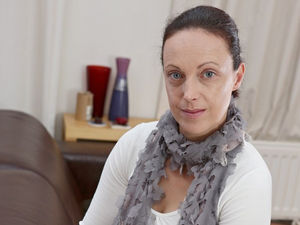
Kerry Pugh, from Shrewsbury died in 2022, at the age of just 48.
University Hospitals of North Midlands Trust has admitted failings in the analysis of her smear test after law firm Irwin Mitchell was instructed to investigate, and said that an earlier diagnosis could have saved her life.
Now Kerry's husband, Stephen, is using Cervical Cancer Prevention Week, which runs from January 19 to 25 to urge women not to be put off from seeking medical help and attending screening appointments.

Stephen, 47, a network support engineer, said: “Words can’t really capture the level of distress and suffering Kerry endured. For months she knew something wasn’t right, but nothing prepared us for when we were told she had stage four cancer. Her tumour was around the size of a bar of a soap and our immediate thought was that it must have been growing for months to get that big.
“Kerry was the most loving and caring wife and mum. She was selfless and always put her family first. Even while experiencing the most awful pain, she tried to stay positive until the end, especially for the kids. She was more concerned about the children and making sure they were looked after.

“It was awful watching the beautiful wife I thought I’d spend the rest of my life with slip away in front of me. Kerry meant the world to me and we continue to miss her every single day. While we try and lead as normal a life as possible, our family just isn’t the same without her by our side. Occasions such as birthdays and holidays aren’t the same and we’re still learning to try and cope the best we can.
“I’d do anything to have Kerry back, but I know that isn’t possible. However, we were determined to at least honour her memory by establishing the answers Kerry would have wanted.
“Kerry always saw the positive in everything, so if by speaking out, I can help save at least one person’s life, Kerry’s death won’t have been totally in vain.
“While Kerry was let down, other women shouldn’t put off seeking medical help and attending screening appointments. It could be the difference between life and death.”
Kerry had attended hospital to undergo cervical screening after experiencing years of symptoms including bleeding.
The smear showed severe cell changes, but Kerry was told the results were normal.
She was not referred for a specialist examination which would have diagnosed stage one cancer and would have allowed her to undergo a potentially life-saving hysterectomy.
Instead, it was not until around 18 months later that Kerry – who had developed a worsening of her symptoms, including irregular bleeding and pain in her coccyx - was diagnosed with stage four cervical cancer.
Her tumour was roughly the size of a bar of soap.
Following her diagnosis, the retail assistant, was told that surgery was not an option due to the size of the mass. She underwent surgery to have a stoma fitted, followed by radiotherapy and chemotherapy.
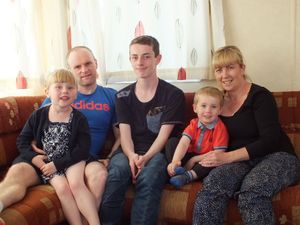
However, Kerry, who had three children, Morgan, now aged 26, Lily, now aged 16, and Freddie, now aged 13, died aged 48 in June 2022.
Eleanor Giblin, the specialist medical negligence lawyer at Irwin Mitchell representing Stephen, said it is vital that women make sure they attend screening appointments.
She said: “This a truly heartbreaking case with Kerry’s death having a profound effect on Stephen and their children.
“Understandably Stephen has had a number of concerns about Kerry’s diagnosis and whether more could have been done to diagnose her cancer sooner.
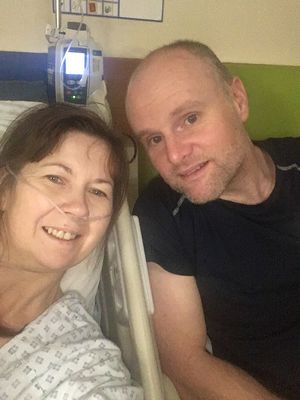
“While nothing can make up for the suffering Kerry had to go through and the pain her loved ones continue to live with, we’re pleased to have at least provided the family with the answers they deserve.
“While it’s too late for Kerry, it’s vital that lessons are learned from the worrying failings in this case to improve patient safety for others.
“Through our work we continue to see the devastating impact cancer has. That’s why Cervical Cancer Prevention Week is incredibly important in not only raising awareness of the signs of the disease but also in helping to ensure women’s voices are heard and they receive the best standard of care.

“In the meantime, it’s vital people continue to take part in the cervical cancer screening programme as early detection and treatment is key to beating cancer.”
Kerry had attended screening appointments over a number of years. She had previously undergone procedures to remove cells in her cervix. It had been determined previously that Kerry had high risk HPV – a virus which can be linked to cancer.
She started experiencing symptoms including bleeding during sex in around 2017.
She underwent checks at hospital but no definitive cause for the bleeding was determined.
The following year, Kerry started to experience irregular bleeding. Kerry attended a routine cervical cancer screening appointment in June 2018.
Kerry was told the result of the test was clear, but it showed severe cells changes.
Kerry continued to complain of symptoms and seek medical advice.
After several further GP appointments, in November 2019, Kerry was referred back to hospital again due to an increasing amount of abnormal bleeding. Following a biopsy, she was diagnosed with cancer.
She underwent chemoradiotherapy - chemotherapy and radiotherapy at the same time - and brachytherapy - where radiation is administered directly next to the tumour.
However, over time the cancer continued to spread. She was referred to a specialist hospital to explore further treatment, but doctors said there was nothing they could do.
Following legal submissions by Irwin Mitchell, University Hospitals of North Midlands NHS Trust admitted Kerry’s June 2018 smear was incorrectly reported as negative. If the results had been correctly reported Kerry would have been referred for a detailed examination before the end of June 2018 and would have been diagnosed no later than August 2018.
Following further legal submissions, the Trust further admitted a diagnosis by the end of August 2018 would have identified stage one cancer, which on the balance of probabilities, “would have been cured” by radical hysterectomy.
Dr Simon Constable, chief executive of University Hospitals of North Midlands NHS Trust, said: “We have apologized to Mr Pugh and his family that the standard of reporting failed to meet that which the Trust strives to provide.
“We recognize the importance of learning from mistakes of this nature and while UHNM no longer operates this screening service, we will do all we can to learn from this incident in relation to our wider laboratory services.”